

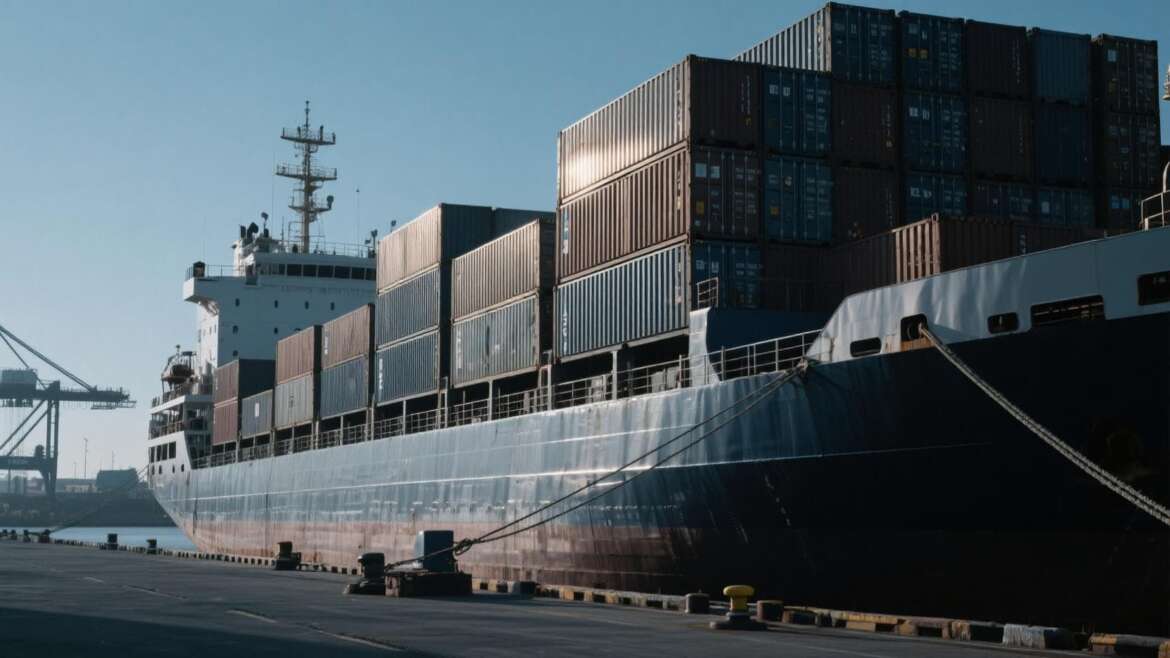
Are you curious about the cost of shipping a 40ft container from China to Australia and what factors influence these expenses? Understanding the complexities of international shipping can help you save both time and money. In this comprehensive guide, we’ll break down the main shipping ports, discuss cost variables, reveal hidden
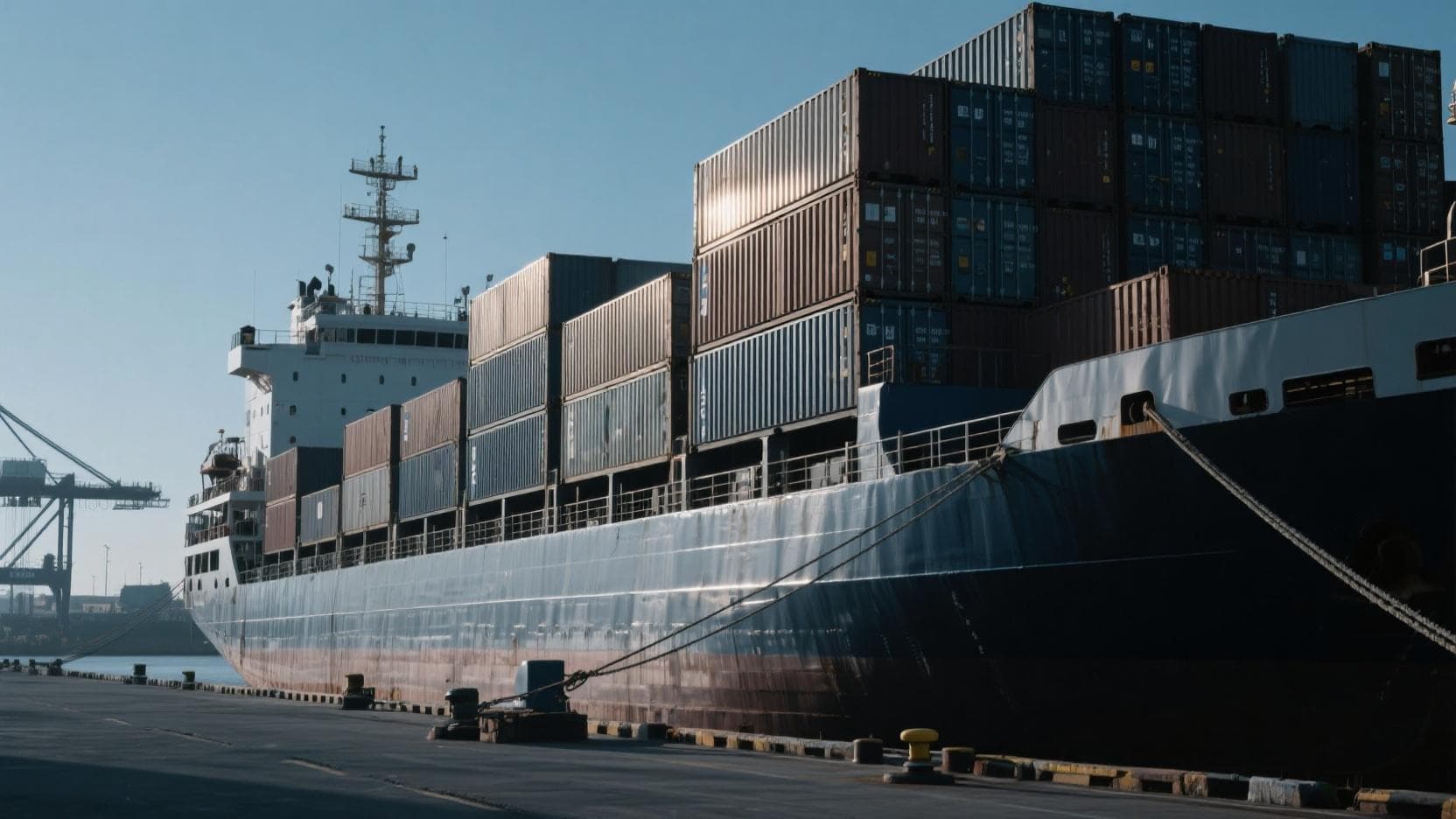
Major Shipping Ports in China and Australia
When planning to ship a 40ft container from China to Australia, understanding the primary shipping ports at both ends is crucial. The port of origin and destination can have a significant impact on transit time, shipping costs, customs procedures, and overall logistics efficiency.
Major Shipping Ports in China
China is home to some of the busiest and most advanced container ports in the world. The main ports for exports to Australia include:
Port Name |
Location |
Key Features |
|---|---|---|
Shanghai Port |
Shanghai |
Largest global container port, extensive route coverage, advanced facilities |
Shenzhen Port |
Guangdong |
Major gateway for South China manufacturers, close to Hong Kong |
Ningbo-Zhoushan Port |
Zhejiang |
Second largest in China, efficient for East China shipments |
Qingdao Port |
Shandong |
Strategic for northern regions, strong logistics connectivity |
Xiamen Port |
Fujian |
Key for electronics and machinery exports |
Guangzhou Port |
Guangdong |
Serves the Pearl River Delta, high container throughput |
Major Shipping Ports in Australia
Australia’s main container ports receive thousands of TEUs (Twenty-foot Equivalent Units) annually from China. The most commonly used ports are:
Port Name |
Location |
Key Features |
|---|---|---|
Port of Sydney (Port Botany) |
New South Wales |
Largest container port, advanced customs clearance, proximity to major markets |
Port of Melbourne |
Victoria |
Highest container throughput, efficient rail/road links |
Port of Brisbane |
Queensland |
Well-suited for northern Australia distribution |
Port of Fremantle |
Western Australia |
Gateway to Western Australia, modern facilities |
Port of Adelaide |
South Australia |
Access to southern and central markets |
Choosing the right port pair can optimize your logistics chain, reduce total cost, and ensure timely delivery. For instance, shipping from Shanghai Port to Port of Melbourne is one of the most popular and cost-effective routes for full container loads. For more detailed country-specific shipping routes, see our guide on Shipping From China to Oceania.
How much does it cost to ship a 40ft Container from China to Australia
The cost of shipping a 40ft container from China to Australia depends on several variables, such as the port of origin and destination, shipping line, current freight market rates, seasonal trends, and the type of service required (FCL vs. LCL, door-to-port vs. door-to-door).
If you are also considering shipping to neighboring regions, our resource on Shipping Cost from China to Australia offers in-depth cost analysis and tips for budgeting.
Latest Freight Rates (as of Q3 2025)
The freight market has seen substantial changes in recent years due to global supply chain disruptions, capacity constraints, and regulatory updates. According to the latest data (Drewry World Container Index, Sep 2025), here’s an overview of average ocean freight rates for a 40ft container shipping from key Chinese ports to major Australian ports:
China Port |
Australia Port |
Estimated Cost (USD, 40ft FCL) |
Transit Time (Days) |
|---|---|---|---|
Shanghai |
Sydney |
$2,200 – $2,800 |
14 – 18 |
Shenzhen |
Brisbane |
$2,400 – $3,000 |
15 – 19 |
Ningbo |
Melbourne |
$2,250 – $2,900 |
15 – 20 |
Qingdao |
Fremantle |
$2,600 – $3,300 |
16 – 22 |
Xiamen |
Adelaide |
$2,700 – $3,500 |
17 – 23 |
Key Factors Included in Base Cost
Ocean Freight Charges: The main component, varies by route and carrier.
Terminal Handling Charges (THC): Paid at both origin and destination ports.
Bunker Adjustment Factor (BAF): Adjusts for fluctuations in fuel prices.
Documentation Fees: Bill of Lading issuance, export/import clearance documentation.
Important Notes
These are indicative rates for Full Container Load (FCL), 40ft general purpose containers.
Rates are subject to change based on market dynamics, fuel surcharges, and peak season demand.
Shipping costs may be lower or higher depending on contract terms, volume discounts, and current shipping market volatility.
Dantful.US International Logistics can provide precise, up-to-date quotations tailored to your specific shipping requirements, including value-added logistics solutions such as customs clearance, insurance, and door-to-door delivery. Our deep expertise ensures that importers get a transparent, cost-effective shipping experience, minimizing delays and hidden charges.
If you need a detailed quote or want to optimize your shipping strategy from China to Australia, our team is ready to assist with real-time rate analysis and practical advice based on the latest industry trends. For more information on similar shipping routes, check our article on Shipping from China to Canada
What Affects the Cost of Shipping a 40ft Container from China to Australia?
When planning to ship a 40ft container from China to Australia, understanding the cost structure is critical for efficient budgeting. Several factors influence the cost of shipping a 40ft container from China to Australia, and staying updated on market trends ensures you make financially sound choices.
Key Factors Influencing Shipping Costs
Origin and Destination Ports
The specific Chinese port (such as Shanghai, Shenzhen, or Ningbo) and the Australian port (Sydney, Melbourne, or Brisbane) chosen can significantly affect rates. Proximity to major trade lanes and port congestion can lead to cost variations.
Shipping Mode
FCL (Full Container Load) is often more economical per unit for large shipments, while LCL (Less than Container Load) can cost more per cubic meter due to additional handling.
Sea freight is the primary mode for containers, but variations in service (express, regular, direct, or transshipment) also impact price.
Freight Market Fluctuations
The global container market is dynamic. Since the COVID-19 pandemic, there have been sharp fluctuations in container shipping rates due to supply chain disruptions, equipment shortages, and changing demand. For instance, in 2025, rates from China to Australia ranged between USD 2,200–USD 3,500 per 40ft container for standard shipping, but these can shift quickl.
Fuel Costs (BAF)
Bunker Adjustment Factor (BAF) is a surcharge reflecting changes in marine fuel prices. An increase in fuel costs typically leads to higher freight rates.
Seasonality
Prices often surge during peak shipping seasons, such as pre-Christmas and pre-Chinese New Year. Planning shipments during off-peak periods can lead to cost savings.
Container Type and Special Requirements
Standard dry containers are less expensive than reefer (refrigerated) or OOG (Out-of-Gauge) containers, which incur additional fees due to special handling and equipment.
Shipping Line and Carrier Selection
Major carriers may offer different rates depending on their capacity, route frequency, and service reliability. Competition among carriers can sometimes lead to promotional rates.
Currency Fluctuations
Shipping rates are often quoted in USD, but surcharges or destination fees may be in local currency, so foreign exchange rates also have an impact.
Customs and Regulatory Changes
Recent regulations, such as the Australian Biosecurity Requirements for certain imports, can introduce new inspection fees or delays, affecting the total landed cost.
To compare with cost structures for other countries, you may find our resources on Shipping Cost from China to UK and Shipping Cost from China to USA helpful.
Example Table: Estimated 40ft Container Shipping Costs (Q3 2025)
Origin Port (China) |
Destination Port (Australia) |
Estimated Cost (USD, 40ft) |
Transit Time (Days) |
|---|---|---|---|
Shanghai |
Sydney |
2,300–2,900 |
16–22 |
Ningbo |
Melbourne |
2,200–2,800 |
18–24 |
Shenzhen |
Brisbane |
2,400–3,100 |
16–21 |
Note: Costs vary weekly. For a tailored and up-to-date quote, consult a professional freight forwarder such as Dantful.US International Logistics.
Hidden and Additional Charges to Consider
Freight rates are only part of the total cost of shipping a 40ft container from China to Australia. Multiple hidden and additional charges often catch importers off-guard. Being aware of these fees ensures accurate budgeting and prevents costly surprises.
Common Hidden & Surcharges
Port and Terminal Handling Charges (THC)
Both the origin and destination ports levy THCs for loading/unloading containers. These are typically not included in the basic freight rate and can range from USD 150–350 per container per port.
Documentation Fees
These include the Bill of Lading issuance, customs clearance documentation, and delivery orders. Fees can total USD 50–120 per shipment.
Customs Duty and Taxes
Australian customs duties and Goods and Services Tax (GST) depend on the type and value of goods imported. For most goods, duty rates are around 5%, plus 10% GST on the CIF (Cost + Insurance + Freight) value. Refer to the official Australian Border Force Tariff for the latest details.
Quarantine and Biosecurity Fees
Australia enforces strict biosecurity controls. Inspections and treatments, especially for wooden packaging or agricultural products, can add USD 100–500.
Container Demurrage and Detention
If the container is not collected or returned within the free period at the port, daily charges accrue. Rates typically start at USD 50–100/day and increase after several days.
Peak Season Surcharges (PSS)
Imposed during high-demand periods, these can add USD 100–300 per container.
Security and Insurance Fees
Some shipping lines charge a security fee, and cargo insurance is highly recommended for valuable or sensitive goods. Insurance costs generally range from 0.2–0.5% of cargo value.
Local Delivery/Trucking Charges
If you require door-to-door delivery, local trucking fees in Australia may apply, depending on the distance from the port to your warehouse.
For complete transparency on door delivery and related fees, see our Door to Door Shipping from China to Australia guide.
Table: Example of Potential Additional Charges for 40ft Container
Charge Type |
Typical Range (USD) |
|---|---|
Terminal Handling (Origin) |
$150–$250 |
Terminal Handling (Dest.) |
$200–$350 |
Documentation Fee |
$50–$120 |
Quarantine/Biosecurity |
$100–$500 |
Demurrage/Detention |
$50–$100 per day |
Local Trucking (Metro) |
$250–$600 |
Insurance |
0.2–0.5% of value |
Expert Tip
To minimize unexpected costs, always request a full breakdown of charges from your shipping partner. Leading freight forwarders like Dantful.US International Logistics offer transparent quotations and guide clients through all potential surcharges, ensuring you stay informed and within budget. With their deep expertise in customs clearance, biosecurity compliance, and tailored door-to-door solutions, they help importers avoid costly delays and hidden fees.
How to Save on Shipping Costs
Controlling the Cost of Shipping a 40ft Container from China to Australia is a priority for every importer. Shipping charges can be significant, but with the right strategies, you can achieve substantial savings:
1. Consolidate Shipments
Combine smaller shipments into a single 40ft container whenever possible. This reduces per-unit freight cost and minimizes handling fees. Working with a proactive freight forwarder like Dantful.US International Logistics can help you plan shipments for optimal consolidation, ensuring you don’t pay for unused container space.
2. Choose the Right Incoterms
Be strategic with Incoterms (such as FOB, CIF, DDP). Certain terms may shift costs or responsibilities in your favor, depending on your shipping volume and risk tolerance. Consult with a logistics expert to select the most cost-effective arrangement.
3. Optimize Shipping Routes and Schedules
The chosen departure and arrival ports, as well as sailing schedules, have a direct impact on pricing. For instance, direct routes from Shanghai or Shenzhen to major Australian ports like Sydney may be more affordable and faster than transshipment routes. Dantful.US can offer tailored route planning to minimize both costs and transit times.
4. Book in Advance and Avoid Peak Seasons
Shipping rates typically rise during peak periods (such as before Chinese New Year or Christmas). Booking in advance and planning around these busy times can secure better freight rates. In 2025, global shipping demand increases have caused spot rates to fluctuate, so early booking is especially crucial.
5. Leverage Long-term Partnerships
Building a long-term relationship with a reputable freight forwarder like Dantful.US allows you to access negotiated rates and priority space during high-demand periods. Experienced forwarders can also identify cost-saving opportunities that may not be visible to individual shippers.
6. Streamline Documentation and Compliance
Delays in customs clearance or incorrect paperwork can result in costly storage and demurrage fees. Rely on experts who provide end-to-end compliance support—Dantful.US’s dedicated team ensures accurate documentation, helping you avoid unnecessary expenses.
7. Consider Alternative Shipping Methods
Depending on your cargo’s urgency and nature, evaluate whether sea freight, air freight, or even a combination (multimodal transport) is more cost-effective. Sometimes, LCL (Less than Container Load) shipments are more economical than FCL (Full Container Load), especially for lower volumes. For urgent or high-value cargo, our Air freight from China to Australia resource provides further cost and transit time insights.
8. Insure Your Cargo Wisely
While insurance adds a small cost, it protects against major financial loss from damage or theft. A tailored insurance plan, offered through knowledgeable providers, balances affordability and coverage.
How Long Does It Take to Ship a 40ft Container from China to Australia
Transit time for a 40ft container from China to Australia depends on several factors: specific origin and destination ports, carrier service, weather, and customs clearance efficiency. Below is an overview of typical transit times for 2025:
China Port |
Australia Port |
Estimated Transit Time (Days) |
|---|---|---|
Shanghai |
Sydney |
14 – 18 |
Shenzhen |
Melbourne |
15 – 19 |
Ningbo |
Brisbane |
16 – 20 |
Qingdao |
Perth |
18 – 23 |
Direct sailings are faster, but may have limited schedules.
Transshipment routes (via Singapore or Hong Kong) can add several days.
Customs clearance and local transportation within Australia can add 2–5 days, depending on documentation accuracy and port congestion.
For a detailed comparison with other countries, you may refer to How Long does it Take to Ship from China to Australia or check transit times for other major routes like How Long does it Take to Ship from China to Germany.
Working with an established freight forwarder like Dantful.US ensures your containers are routed via the most reliable schedules, helping you minimize delays and optimize delivery to your final destination.
FAQs
Cost of Shipping 20ft Container from China to Australia
While the Cost of Shipping a 40ft Container from China to Australia is most frequently discussed, many importers also ship in 20ft containers. The 2025 spot market rates, which fluctuate according to supply and demand, are as follows (excluding surcharges and depending on route):
Container Size |
Estimated Cost (USD) |
|---|---|
20ft |
$1,200 – $2,100 |
40ft |
$2,000 – $3,500 |
Keep in mind that costs vary by season, port pair, and service level. Dantful.US International Logistics can provide you with tailored, competitive quotes based on real-time market data.
How Much is Shipping from China to Australia
Shipping costs from China to Australia depend on several variables including container size, shipping mode, origin and destination ports, and current market rates. For FCL (Full Container Load) shipments in 2025:
40ft Container: $2,000 – $3,500 (sea freight, port-to-port)
Air Freight: $5.50 – $8.00 per kilogram (for urgent shipments)
Additional costs such as fuel surcharges, security fees, and destination port charges may apply. For the most accurate and up-to-date quotation, consult a reliable provider like Dantful.US, who can customize solutions to meet your budget and timeline.
How Much is Import Duty from China to Australia?
Import duties and taxes are a critical part of the landed cost. As of 2025:
Most goods from China are subject to a 5% import duty, calculated on the customs value (CIF—cost, insurance, and freight).
GST (Goods and Services Tax) of 10% applies to most imports, based on the sum of customs value, duty, and shipping costs.
Some goods may be subject to anti-dumping or countervailing duties.
You can verify your product’s specific duty rate using the Australian Border Force’s TARIC syste. Dantful.US offers hands-on customs clearance support to help you navigate complex tariff structures and minimize compliance risks.
What’s the Cheapest Way to Ship to Australia?
The most cost-effective shipping method from China to Australia is typically sea freight FCL (Full Container Load), especially for volumes that fill at least half a container. For small shipments, LCL (Less than Container Load) can be more economical, though per-unit costs are higher.
Here are general guidelines for 2025:
Shipping Method |
Ideal For |
Estimated Cost (USD) |
Transit Time (Days) |
|---|---|---|---|
FCL Sea |
Full container loads |
$2,000 – $3,500 (40ft) |
14 – 23 |
LCL Sea |
Small or mixed shipments |
$60 – $90 per CBM |
16 – 25 |
Air Freight |
Urgent, high-value goods |
$5.50 – $8.00 per kg |
3 – 7 |
For many importers, a one-stop freight forwarding partner like Dantful.US can unlock further savings through end-to-end service, smart route planning, and expert cost management.
For personalized advice, real-time rate quotes, or to discuss your next shipment, don’t hesitate to reach out to Dantful.US International Logistics.
Leave a reply