

As trade relations between Vietnam and Mexico deepen, particularly with both nations being members of the CPTPP (Comprehensive and Progressive Agreement for Trans-Pacific Partnership), the demand for efficient logistics solutions has surged. For businesses dealing in high-value electronics, fashion textiles, or urgent automotive components, Air Freight is often the lifeline that keeps supply chains moving.
However, navigating the complexities of Air Freight—from calculating chargeable weight to understanding Mexican customs regulations like NOM standards—can be daunting. This guide aims to solve these challenges, providing you with a clear decision framework, transparent cost structures, and a roadmap for compliance, ensuring your cargo moves swiftly from Ho Chi Minh City or Hanoi to Mexico City, Guadalajara, or Monterrey.
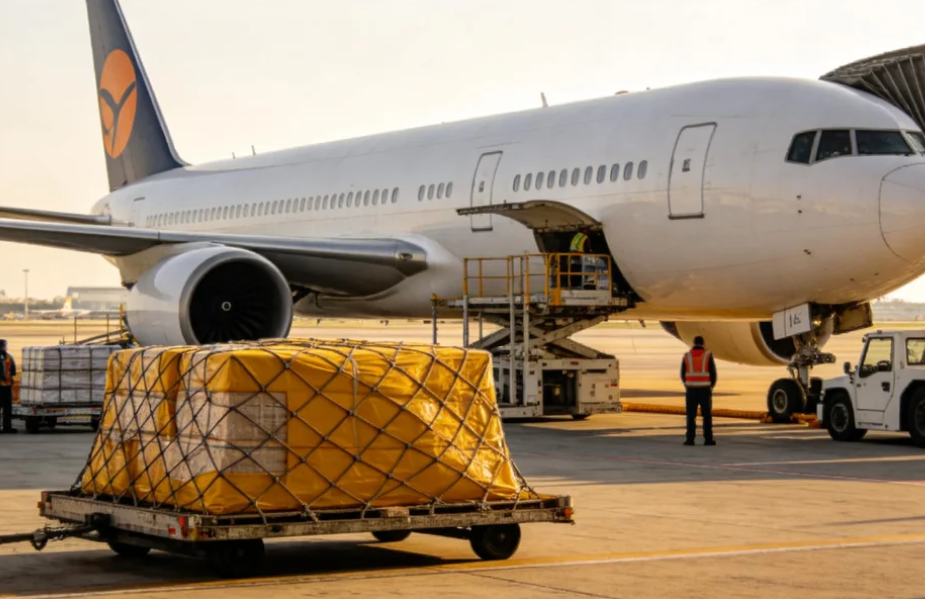
Major Air Cargo Routes from Vietnam to Mexico
Understanding the logistics map is the first step in planning your shipment. Vietnam‘s strategic location in Southeast Asia connects to Mexico through several key hubs.
Main Airports in Vietnam
- Tan Son Nhat International Airport (SGN) – Ho Chi Minh City: The busiest cargo hub, ideal for manufacturing centers in the south.
- Noi Bai International Airport (HAN) – Hanoi: Serves the northern industrial zones, particularly for electronics and high-tech goods.
- Da Nang International Airport (DAD): A growing hub for central Vietnam.
Main Airports in Mexico
- Mexico City International Airport (MEX): The primary gateway, handling the vast majority of air cargo.
- Guadalajara International Airport (GDL): Crucial for the technology and electronics sectors (“Mexico’s Silicon Valley”).
- Monterrey International Airport (MTY): Serves the industrial north and automotive clusters.
Route Options
Currently, direct flights are limited. Most cargo travels via transshipment hubs:
- Via USA: Common, but requires compliance with US customs regulations (e.g., Type 86 entry or In-Bond shipment).
- Via East Asia: Connecting through Incheon (ICN), Narita (NRT), or Hong Kong (HKG) often offers reliable schedules.
When to Choose Air Freight over Sea Freight
Choosing between Air Freight and Sea Freight is a trade-off between cost, speed, and inventory needs. Use this framework to decide:
| Feature | Air Freight | Sea Freight (LCL/FCL) | Decision Trigger |
|---|---|---|---|
| Transit Time | 3–7 Days | 25–45 Days | Choose Air if delivery is needed < 10 days. |
| Cost | High ($5–$15/kg) | Low ($50–$150/CBM) | Choose Air for high-value/low-volume goods. |
| Reliability | High (Fixed Schedules) | Moderate (Port Congestion) | Choose Air for “Just-in-Time” inventory. |
| Capacity | Limited (Weight/Volume) | High (Containers) | Choose Sea for bulk/heavy machinery. |
| Security | Very High | High | Choose Air for sensitive/fragile items. |
Key Judgment Criteria:
- If your cargo value exceeds $15 per kg, Air Freight becomes economically viable due to lower inventory holding costs.
- If you face a “line-down” situation in a factory in Mexico, the premium for Air Freight is negligible compared to production losses.
Air Freight Shipping Options from Vietnam to Mexico
Dantful.US offers tailored solutions based on your urgency and budget:
Standard Air Freight: The most balanced option, utilizing commercial airlines. Ideal for planned shipments.
Express Air Freight: Uses courier networks (like DHL/FedEx/UPS) or priority cargo services. Best for samples or extremely urgent docs.
Consolidated Air Freight: We combine your smaller shipment with others to secure better rates. Great for cost-saving on 100kg–500kg loads.
Door to Door vs. Airport to Airport:
- Airport to Airport: You handle pickup in Vietnam and delivery/customs in Mexico.
- Door to Door: We handle the entire process from your supplier’s factory to your warehouse in Mexico, including Customs Clearance.
Cost and Transit Time from Vietnam to Mexico
Note: The rates below are estimates and subject to change based on fuel surcharges, peak seasons, and carrier availability. Always consult for the latest live rates.
| Route (Origin → Destination) | Service Level | Est. Time (Days) | Est. Cost (USD/kg) | Included | Excluded |
|---|---|---|---|---|---|
| SGN/HAN → MEX | Standard Air | 5–7 Days | $6.50 – $8.50 | Air Freight, Export Clearance | Destination Duties, Local Delivery |
| SGN/HAN → MEX | Express | 3–5 Days | $9.00 – $14.00 | Priority Handling | Destination Duties, Insurance |
| SGN/HAN → GDL/MTY | Standard Air | 6–8 Days | $7.00 – $9.00 | Air Freight, Export Clearance | Destination Duties, Local Delivery |
| SGN/HAN → Mexico (Any) | Door to Door | 7–10 Days | Quote upon Request | Pickup, Freight, Customs, Delivery | VAT (IVA), Specific Import Taxes |
Influencing Factors:
- Chargeable Weight: Airlines charge based on the greater of Actual Weight or Volumetric Weight (L x W x H cm / 6000).
- Peak Seasons: Rates spike during Tet Holiday (Vietnam) and Pre-Christmas (Oct-Dec).
- Surcharges: Fuel Surcharge (FSC) and Security Surcharge (SSC) fluctuate monthly.
Customs Clearance and Compliance in Mexico
Importing into Mexico requires strict adherence to regulations. Errors can lead to cargo seizure or heavy fines.
Key Documents & Requirements
- Pedimento: The official customs declaration form. Must be filed by a licensed Mexican Customs Broker.
- Padron de Importadores: You must be registered in the Official Register of Importers in Mexico.
- Commercial Invoice: Must include detailed descriptions, values, and Incoterms.
- Packing List: Must match the physical cargo exactly.
- Air Waybill (AWB): The transport contract.
- Certificate of Origin: Crucial for claiming preferential tariffs under CPTPP.
Risk Matrix & Avoidance
- NOM Standards (Normas Oficiales Mexicanas): Many products (electronics, textiles, toys) require safety or labeling certification. Avoidance: Check NOM requirements before shipping.
- Undervaluation: Declaring a lower value to save taxes is illegal and triggers audits. Avoidance: Declare the true transaction value.
- HS Code Classification: Incorrect codes delay clearance. Avoidance: Consult with Dantful experts for pre-classification.
Disclaimer: This information is for guidance only and does not constitute legal or tax advice. Please consult with CBP, SAT (Mexico), or professional customs brokers for official rulings.
Air Freight Process: Step-by-Step Guide
Shipping cargo by air freight from Vietnam to Mexico involves several critical steps. As an experienced freight forwarder, I always recommend understanding this process to ensure your shipments are smooth, compliant, and cost-effective.
Booking and Preparing Your Shipment
The first step is to select a reliable freight forwarder—preferably one with proven expertise in both Vietnamese and Mexican markets, such as Dantful.US International Logistics. Here’s how the booking and preparation process works:
- Quotation & Route Planning: Provide shipment details (weight, dimensions, commodity, value, pickup, and delivery addresses) to receive a tailored quote. Your forwarder will suggest the most efficient routes and transit hubs.
- Carrier Selection: Choose between direct flights or transshipment via major hubs. Direct routes offer speed, while transshipment may reduce costs but increase transit time.
- Cargo Preparation: Ensure goods are packed according to IATA (International Air Transport Association) standards. Use strong, secure packaging, label all boxes clearly, and separate hazardous goods if any.
- Booking Confirmation: Reserve space with your chosen airline, confirm schedules, and prepare for drop-off or pickup.
Tip: Early booking is advised due to limited space and frequent fluctuations in global air cargo demand.
Required Documentation for Air Cargo
Accurate documentation is essential for seamless air freight. The main documents required for air freight shipments from Vietnam to Mexico include:
- Air Waybill (AWB): The contract of carriage between shipper and airline, including consignment details.
- Commercial Invoice: Details value and description of goods for customs purposes.
- Packing List: Itemizes shipment contents, dimensions, and weights.
- Export/Import Licenses: Depending on the commodity, specific permits or certificates may be needed.
- Certificate of Origin: Some goods require this to determine eligibility for preferential tariffs under trade agreements.
- Insurance Certificate: If purchasing cargo insurance.
Note: Incomplete or incorrect documentation can cause severe delays at customs in both countries.
Customs Clearance Procedures in Vietnam and Mexico
Clearing customs is a regulatory necessity both when exporting from Vietnam and importing into Mexico.
In Vietnam:
- Export Declaration: File with the Vietnam Customs Department using the VNACCS/VCIS electronic system.
- Inspection: Physical or X-ray inspection may be required for high-risk items.
- Export Duty: Most exports from Vietnam are duty-free, but restricted or controlled goods may have exceptions.
In Mexico:
- Import Declaration: Submit an electronic import declaration to the Mexican Customs Authority (SAT).
- HS Code Classification: Accurately classify goods to determine applicable tariffs and taxes.
- Duties & Taxes: Pay any required Import Duty, Value Added Tax (VAT/IVA), and possible additional fees.
- Release: After verification and payment, goods are released for final delivery.
Tip: Work with a customs brokerage partner who understands both sides’ regulations to minimize clearance times and avoid penalties.
Information Required for a Quotation
To get the most accurate and fast quote, please copy and fill out the following details:
- Commodity Name: (e.g., LED Lights, Cotton T-shirts)
- HS Code: (If known, helps with tax estimation)
- Gross Weight: (Total weight in kg)
- Volume/Dimensions: (Total CBM or dimensions of each carton)
- Packaging Type: (Cartons, Pallets, Wooden Crates)
- Pick-up Address: (Supplier’s address in Vietnam)
- Delivery Address: (Destination address in Mexico)
- Trade Terms (Incoterms): (EXW, FOB, DAP, DDP)
- Special Requirements: (Insurance, Battery shipment, etc.)
Why Choose Dantful.US for Air Freight to Mexico
- Americas Focus: We specialize in the trans-pacific route, understanding both Asian export and American import nuances.
- One-Stop Solution: From Warehousing in Vietnam to Customs Clearance in Mexico, we handle it all.
- Transparency: No hidden fees. Our quotes are detailed and clear.
- Compliance Assistance: We guide you through NOM and other regulatory standards to help avoid border delays.
- Local Expertise: Our network includes Spanish-speaking agents in Mexico to ensure smooth Pedimento filings.
FAQs
Q: Can you handle DDP shipments to Mexico?
A: Yes, we offer DDP services where we handle all duties and taxes, delivering directly to your door. However, the importer of record in Mexico typically needs to be registered. Contact us for specific DDP solutions for non-resident importers.
Q: What is the CPTPP and how does it affect my shipment?
A: The CPTPP is a free trade agreement that includes both Vietnam and Mexico. It allows for reduced or zero tariffs on qualifying goods. You will need a valid Certificate of Origin to claim these benefits.
Q: How do I know if my goods need NOM certification?
A: NOM standards apply to many goods like electronics (safety) and textiles (labeling). We recommend providing the HS Code and product details to our team or a Mexican customs broker for a pre-compliance check.
Q: How is Chargeable Weight calculated?
A: Airlines charge the higher of the Actual Weight or the Volumetric Weight. Volumetric weight is calculated as (Length x Width x Height in cm) / 6000.
Shipping from Vietnam to Mexico via Air Freight doesn’t have to be complicated. With the right partner, you can ensure your high-value goods arrive on time and on budget, keeping your supply chain competitive.
Ready to ship? Contact Dantful.US today for a free, no-obligation quote. Send us your cargo details (from Section 8), and let our experts design the perfect logistics solution for you.
Leave a reply