

Are you looking to optimize your logistics and wondering how to ship LCL from China to USA? Understanding the ins and outs of LCL shipping can help you save costs and streamline your supply chain. In this comprehensive guide, we’ll walk you through the entire process—from preparing your cargo and booking shipments to estimating costs and clearing customs. Get ready to master every step of LCL freight and make your shipping experience efficient and hassle-free!
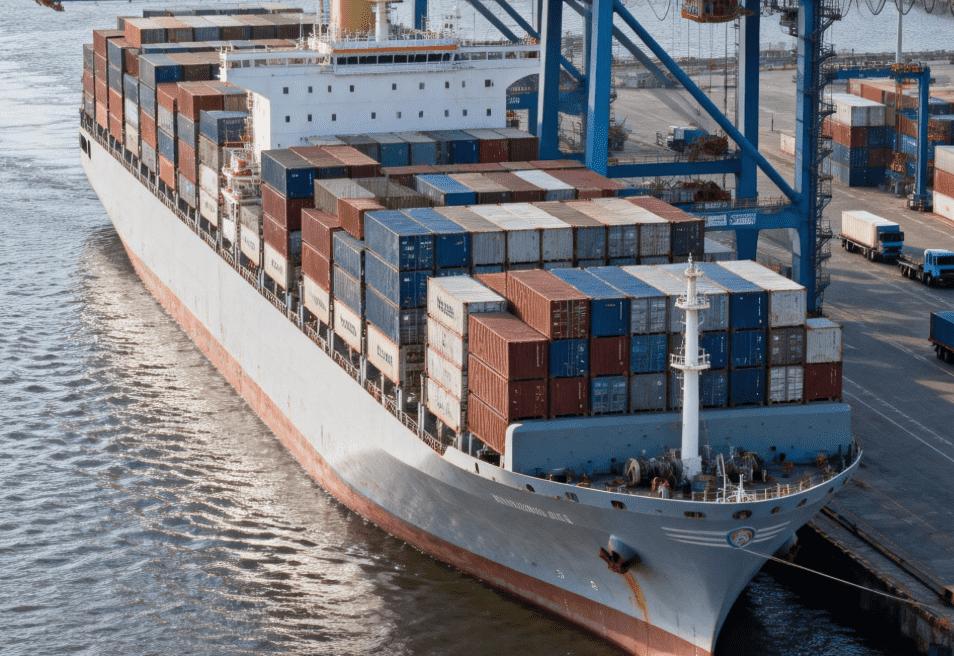
What is LCL Shipping from China to the USA?
LCL shipping—short for Less than Container Load—is a freight forwarding solution where your cargo shares container space with goods from other shippers. Instead of booking an entire container (FCL, or Full Container Load), you only pay for the volume you need. This method is ideal for shipments that do not fully utilize a standard container’s capacity, making it a flexible and cost-effective option for many businesses, especially when importing from China to the USA. For a comprehensive overview of LCL and FCL options, see LCL Shipping from China to USA.
When choosing LCL shipping for your supply chain, you work with a professional freight forwarder like Dantful.US International Logistics. We consolidate your cargo with others at origin, manage the shipping process, and handle the deconsolidation at the destination port in the United States. This process allows importers, exporters, and e-commerce businesses to optimize shipping costs and maintain supply chain flexibility.
Advantages of LCL
LCL shipping offers a range of benefits for businesses of all sizes importing from China to the USA:
Cost Efficiency: Only pay for the space your cargo occupies (calculated in CBM – cubic meters), avoiding the cost of empty container space.
Flexible Scheduling: Frequent sailings from major Chinese ports such as Shanghai, Shenzhen, Ningbo, and Guangzhou to key US gateways like Los Angeles, New York, and Houston.
Inventory Optimization: Ship smaller quantities as needed, reducing inventory holding costs and supporting just-in-time supply chains.
Accessible for SMEs: Enables small and medium-sized enterprises and e-commerce sellers to access international shipping without large capital outlays.
Professional Handling: With an experienced provider like Dantful.US International Logistics, your cargo is consolidated, tracked, and managed through every step.
Comprehensive Service Integration: Combine with services like door-to-door, customs clearance, and warehousing for a one-stop logistics solution.
When to Choose LCL over FCL for Your Freight
Choosing between LCL and FCL depends on cargo volume, cost, urgency, and shipment characteristics. Here’s a quick comparison to help you decide:
| Criteria | LCL (Less than Container Load) | FCL (Full Container Load) |
|---|---|---|
| Ideal Cargo Volume | Less than 15 CBM | 15 CBM or more (20FT: 28 CBM, 40FT: 56 CBM, 40HQ: 68 CBM) |
| Cost Structure | Pay per CBM | Pay for the whole container |
| Frequency | High (weekly sailings) | High (weekly sailings) |
| Cargo Type | Small, diverse shipments | Large, uniform shipments |
| Transit Time | Slightly longer (due to consolidation) | Faster (direct loading) |
| Risk of Damage/Contamination | Higher (shared container) | Lower (exclusive container) |
| Customs Clearance | Shared process, can be delayed | Individual process, usually faster |
| Best For | SMEs, e-commerce, trial shipments | Large orders, high-value goods |
Choose LCL when:
Your shipment is less than 15 CBM or does not fill a full container.
You want to minimize upfront logistics spending.
Your cargo is not urgent or highly sensitive.
You prefer regular small shipments to manage cash flow and inventory.
Choose FCL when:
You have enough cargo to fill a container.
You need faster transit and fewer handling steps.
Your goods are fragile, high-value, or require secure, exclusive space.
At Dantful.US International Logistics, our experts help you decide the optimal shipping mode for your supply chain requirements.
Step-by-Step Process: How to Ship LCL from China to the USA
Shipping LCL from China to the United States involves several coordinated steps. Here’s a professional, actionable guide:
Preparing Your Goods for LCL Shipping
Proper preparation ensures cargo safety and smooth transit. Key steps include:
Accurate Packing: Use sturdy export-grade cartons or pallets. Label packages clearly with shipping marks.
Measuring & Weighing: Provide exact measurements (Length × Width × Height in cm) and gross weight. Freight charges are calculated based on CBM or actual weight, whichever is greater.
Documentation: Prepare a detailed packing list and commercial invoice. Include product descriptions, HS codes, and values.
Compliance: Ensure goods comply with both Chinese export and US import regulations, including packaging standards, labeling, and safety requirements.
Insurance: Consider cargo insurance for added protection during transit.
Tip: Consult your freight forwarder early for specific packaging, labeling, and documentation requirements.
Booking an LCL Shipment: Key Steps and Documents
Booking an LCL shipment with Dantful.US International Logistics is straightforward:
Request a Quote: Provide cargo details—type, volume (CBM), weight, origin, and destination.
Confirm Booking: Once you accept the quote, we secure space on the desired sailing.
Submit Shipping Instructions: Offer shipper/consignee details, commodity description, and any special requirements.
Prepare Documents:
Bill of Lading (B/L)
Commercial Invoice
Packing List
Certificate of Origin (if required)
Import/Export Licenses (if applicable)
Cargo Delivery to Warehouse: Deliver your goods to our consolidation warehouse at the origin port (e.g., Shanghai, Shenzhen).
Customs Clearance (Export): We handle Chinese export customs formalities.
Our dedicated team ensures all paperwork is accurate to avoid delays and supports you throughout the booking process.
Consolidation, Loading, and Departure from China
Cargo Consolidation: At our origin warehouse, your goods are grouped with cargo from other shippers bound for the USA.
Inspection & Palletization: We check packaging, label goods, and palletize shipments for secure handling.
Container Loading: All LCL shipments are loaded into a shared container under professional supervision.
Export Customs Clearance: We submit the necessary documents to Chinese customs, obtain clearance, and pay applicable export duties/taxes.
Departure: The loaded container is sealed and transported to the port terminal for ocean loading. You receive the sailing schedule and tracking information.
| Major Chinese Port | US Destination Port | Weekly LCL Sailings | Typical Cut-off (Days Before Departure) |
|---|---|---|---|
| Shanghai | Los Angeles | Yes | 4-5 days |
| Shenzhen | New York | Yes | 5 days |
| Ningbo | Houston | Yes | 4 days |
| Qingdao | Oakland | Yes | 5 days |
Note: Schedules and cut-off times can vary. Confirm with your freight forwarder for the latest updates. For more information on shipping schedules, see Shipping Routes from China to USA.
Arrival, Deconsolidation, and Delivery in the USA
US Port Arrival: Upon arrival at the destination port (e.g., Los Angeles, New York), containers are unloaded.
Deconsolidation: At the CFS (Container Freight Station), your cargo is separated from other shipments.
Customs Clearance (Import): We handle US customs formalities, paying duties and taxes as required.
Notification & Pickup: You (or your consignee) are notified when your cargo is ready for pickup at the CFS.
Final Delivery: Choose door-to-door delivery for seamless transport from the CFS to your warehouse, fulfillment center, or Amazon FBA facility.
Dantful.US International Logistics manages every stage—from consolidation in China to deconsolidation and delivery in the USA—providing professional tracking, prompt updates, and full-service support.
By understanding the LCL process and working with a trusted partner like Dantful.US International Logistics, you can streamline your supply chain, reduce costs, and ensure your goods reach their destination efficiently and safely.
LCL Shipping Costs: How to Estimate and Save
When planning to ship LCL (Less than Container Load) from China to the USA, understanding the cost structure is essential for controlling your logistics budget. In my experience as a freight forwarding professional, many shippers are surprised by the various charges involved in LCL shipping. Below, I will break down the key charges and share practical tips for saving on your LCL shipments.
Key Charges in LCL Shipping from China to the USA
LCL shipping costs are multifaceted. Unlike FCL (Full Container Load), where you pay for the entire container, LCL charges are calculated based on the volume (CBM – Cubic Meter) or, sometimes, the chargeable weight of your cargo. Here’s a breakdown of the main fees you will encounter:
| Charge Type | Description | Who Charges | Typical Range* |
|---|---|---|---|
| Ocean Freight (Basic Freight) | The core cost to transport your cargo by sea from the origin to the destination port. | Shipping Line/Forwarder | $30–$60 per CBM |
| Origin Charges | Includes handling, warehouse, consolidation, documentation, and customs clearance at the port in China. | Chinese Agent | $40–$70 per CBM |
| Destination Charges (DTHC/ISPS, etc.) | Includes deconsolidation, terminal handling, documentation, and delivery at the port in the USA. | US Agent/Terminal | $50–$80 per CBM |
| Documentation Fee | Preparation of Bill of Lading, shipping instructions, etc. | Forwarder | $50–$100 per shipment |
| Customs Clearance Fee | Filing and processing customs documents in the USA. | Broker/Forwarder | $75–$200 per entry |
| Delivery/Trucking | Trucking goods from the US port to your final address (optional/additional). | Trucking Company | $100+ (depends on distance) |
| Other Possible Fees | Insurance, inspection, demurrage (storage), or customs duties/taxes based on cargo type & value. | Various | Varies |
*Typical range as of Dec 2025. Actual rates may vary by route, cargo type, and market fluctuations.
Example Cost Calculation: If you are shipping 4 CBM of general cargo from Shanghai to Los Angeles, a rough estimate could be:
Ocean Freight: 4 CBM x $40/CBM = $160
Origin Fees: 4 CBM x $55/CBM = $220
Destination Fees: 4 CBM x $65/CBM = $260
Documentation: $60
Customs Clearance: $100 Total (excluding delivery & duties): $800
Major US Ports for LCL Shipments:
| China Main Port | US Main Port | Typical LCL Transit Time | Comments |
|---|---|---|---|
| Shanghai | Los Angeles/Long Beach | 16–22 days | Most popular, fastest to West Coast |
| Shenzhen | New York/New Jersey | 28–35 days | For East Coast, longer transit |
| Ningbo | Houston | 25–30 days | For Southern US, moderate time |
Related Reading: For additional details on shipping timelines and port-to-port services, visit Port to port shipping From Shanghai to Long Beach.
Tips for Reducing LCL Freight Costs
Shipping LCL can be cost-effective if you optimize your shipment. Here are expert strategies to help you save:
Maximize Shipment Volume: LCL rates are calculated per CBM. If you’re close to a full container (28 CBM for 20FT, 68 CBM for 40HQ), consider consolidating more cargo or upgrading to FCL, which can be cheaper per unit.
Optimize Packaging: Use efficient packaging to reduce wasted space. Avoid excessive voids so you pay for actual cargo, not air.
Avoid Peak Seasons: Shipping costs and surcharges rise during peak seasons (e.g., pre-Christmas, Chinese New Year). Ship during off-peak periods if possible.
Choose the Right Ports: Major ports like Los Angeles, New York, or Houston often have more competitive rates due to high traffic. Inland ports may incur higher delivery costs.
Work With a Reliable Freight Forwarder: Experienced forwarders like Dantful.US International Logistics have established relationships with shipping lines and can negotiate better rates. We also offer consolidated freight services to optimize your costs.
Consolidate Shipments: If you have multiple suppliers, ask your forwarder to consolidate your LCL cargo into a single shipment to minimize fees.
Plan for Delivery: Arranging trucking from the port in advance can prevent costly storage and demurrage fees.
Pro Tip: Regularly review your shipping volumes. If you consistently ship above 15–20 CBM per shipment, request a quote for FCL—it might be more economical.
Essential Documentation for LCL Shipments
Accurate documentation is vital for smooth LCL shipping from China to the USA. Incomplete or incorrect paperwork can delay customs clearance and result in extra costs.
Required Shipping Documents and Customs Paperwork
Here are the essential documents needed for LCL shipments:
| Document Name | Purpose | Issued By |
|---|---|---|
| Bill of Lading (B/L) | Proof of shipment and receipt of goods; needed to claim cargo at the destination | Freight Forwarder/Carrier |
| Commercial Invoice | Invoice for the goods, showing value and details | Shipper |
| Packing List | Lists contents, quantity, and packaging details | Shipper |
| Certificate of Origin | (If required) Declares where goods are made, sometimes needed for tariffs | Shipper/Chamber of Commerce |
| Import Security Filing (ISF/10+2) | Required by US Customs for ocean shipments, filed before departure | US Importer or Agent |
| Arrival Notice | Notifies consignee about cargo arrival | US Agent/Forwarder |
| Customs Declaration (Entry Summary) | Used for US customs clearance; includes details of the shipment | Customs Broker |
| Insurance Certificate | (If insured) Proof of cargo insurance | Insurance Company |
Note: Depending on your cargo, additional documents (e.g., FDA, FCC, fumigation certificates) may be required.
Common Documentation Mistakes to Avoid
Incorrect documentation is one of the leading causes of shipment delays and extra costs. Here’s what I see most often—and how to prevent issues:
Mismatched Information: Ensure consistency across all documents (bill of lading, invoice, packing list). Discrepancies can trigger customs inspections.
Incomplete ISF Filing: US Customs requires ISF/10+2 to be filed at least 24 hours before loading at the origin port. Late or incorrect filings incur hefty fines (up to $5,000).
Incorrect HS Codes: Use the correct Harmonized System Code for your products to avoid misclassification and possible penalties or delays.
Missing Certificates: Certain goods (food, medical, electronics) may need compliance certificates for US entry. Check in advance with your freight forwarder or customs broker.
Unclear Description of Goods: Vague or generic descriptions can result in customs holds. Be clear and specific about the nature, material, and intended use of your products.
Failure to Provide Consignee Details: Full and accurate consignee information is crucial for smooth delivery and customs clearance.
Expert Advice: Work closely with your freight forwarder China to US—like Dantful.US International Logistics—to review and verify all documents before shipping. Our experienced documentation team helps minimize errors and keeps your LCL shipments moving smoothly.
If you have questions about LCL shipping, cost estimation, or required documents, feel free to contact Dantful.US International Logistics. We provide transparent pricing, expert customs support, and comprehensive international logistics solutions—including Sea Freight, Air Freight, Rail Freight, Road Freight, Amazon FBA, Warehouse, Customs Clearance, Insurance, Door to Door, OOG Freight, Consolidated Freight, and Breakbulk Freight—to ensure your cargo arrives safely and on time.
How Long Does It Take from China to the USA?
When shipping LCL (Less than Container Load) from China to the USA, transit time is a critical factor for all importers, exporters, supply chain managers, and e-commerce sellers. Understanding the timeline helps you manage inventory, set customer expectations, and plan your operations efficiently. Below, I’ll break down the main factors influencing LCL transit time and provide typical shipping routes and schedules to help you make informed decisions.
Main Factors Affecting LCL Transit Time
Several key elements influence how long it takes for your LCL shipment to travel from China to the USA:
Port Pair Selection: The distance between your chosen Chinese port (such as Shanghai, Shenzhen, or Ningbo) and the US destination port (Los Angeles, New York, etc.) has a significant impact on transit time.
Consolidation Process: LCL shipments require cargo from different shippers to be consolidated into one container. This process, including waiting for other cargo and paperwork, can add 1–3 days before departure.
Transit Time at Sea: Depending on the route and carrier, sea transit alone typically ranges from 12–35 days.
Deconsolidation at Destination: Upon arrival at the USA port, the container is unloaded and deconsolidated. This process can add 2–5 days before cargo is ready for pickup or delivery.
Customs Clearance: Import regulations, completeness of documentation, and any inspections can affect how quickly your goods clear customs.
Final Delivery Distance: The further your final delivery point from the port, the more time required for inland transportation.
Carrier Schedules & Seasonality: Peak seasons, public holidays, and carrier frequency can cause transit time fluctuation.
Typical Shipping Routes and Timeframes
To help you better understand what to expect, here’s a table summarizing average LCL shipping times from major Chinese ports to key US ports (for port-to-port transit, excluding consolidation and delivery times):
| Origin Port (China) | Destination Port (USA) | Average Transit Time (Days) |
|---|---|---|
| Shanghai | Los Angeles | 14–18 |
| Shenzhen | Los Angeles | 15–19 |
| Ningbo | Los Angeles | 15–20 |
| Qingdao | Los Angeles | 18–23 |
| Shanghai | New York | 25–32 |
| Shenzhen | New York | 27–33 |
| Ningbo | New York | 28–35 |
| Shanghai | Houston | 27–34 |
Please note:
These are estimated sea transit times.
Add 5–8 days for consolidation, deconsolidation, customs clearance, and final delivery.
For more accurate schedules, consult your freight forwarder for the latest carrier information.
In total, the full door-to-door LCL shipping process from China to the USA usually ranges from 22 to 45 days, depending on your specific shipping route and logistics arrangements.
For more details on overall transit times, you may refer to How Long does sea freight take from China to USA.
Customs Clearance for LCL Freight in the USA
Navigating US customs clearance is essential for a smooth import experience. As an experienced freight forwarder, I know that proper documentation and compliance with regulations are key to avoiding costly delays and penalties.
US Import Regulations for LCL Shipments
When shipping LCL from China to the USA, you must comply with all US Customs and Border Protection (CBP) regulations. Here are the most important considerations:
ISF Filing: The Importer Security Filing (ISF/10+2) must be filed at least 24 hours before cargo is loaded onto the vessel in China. Late or incorrect filings can result in fines.
HS Codes & Tariffs: Ensure your goods are classified under the correct Harmonized System (HS) Code and that you are aware of applicable duties and tariffs.
Restricted & Prohibited Goods: Some items require special permits or are prohibited. Check with CBP or your freight forwarder.
Labeling & Marking: Goods must be properly labeled as per US regulations (e.g., country of origin).
Other Agency Requirements: Products regulated by FDA, USDA, or other agencies may need additional documentation or inspections.
Ensuring Smooth Customs Procedures
To avoid delays and extra costs, follow these best practices:
Accurate Documentation: Prepare complete and accurate shipping documents such as the commercial invoice, packing list, bill of lading, and ISF.
Early Preparation: Submit all required paperwork to your freight forwarder and customs broker as early as possible.
Work with Professionals: Rely on an experienced partner like Dantful.US International Logistics to handle customs filings, tariff classification, and compliance.
Monitor Your Shipment: Track your cargo status and be prepared to respond to customs queries or provide additional documents if needed.
Plan for Inspections: Occasionally, CBP may inspect cargo. This can add several days to the clearance process.
At Dantful.US International Logistics, our team of licensed customs brokers and logistics experts will guide you through every step, ensuring your LCL cargo from China to the USA meets all regulatory requirements efficiently.
Choosing a Reliable Freight Forwarder for LCL Shipping
Selecting the right freight forwarding partner is crucial for a hassle-free and cost-effective shipping experience. Here’s what you should look for—and how Dantful.US International Logistics stands out:
Experience & Industry Knowledge: Choose a forwarder with deep expertise in China–USA LCL shipping. We understand the intricacies of both markets and can optimize your logistics from consolidation in China to final delivery in the USA.
Comprehensive Service Offerings: A good partner should provide end-to-end solutions: sea freight, air freight, rail, road, Amazon FBA, warehousing, customs clearance, insurance, door-to-door, OOG freight, consolidated and breakbulk freight. Dantful.US offers all of these services under one roof.
Transparent Pricing: Get clear, itemized quotes with no hidden charges. We provide detailed breakdowns so you can budget with confidence.
Technology & Tracking: Our online platform allows you to track your shipments, manage documents, and communicate with our team at every stage.
Customer Support: Responsive, professional support is essential for resolving issues and answering questions. Our multilingual team is available round-the-clock.
Reputation & Credibility: As a highly professional, cost-effective, and high-quality one-stop international logistics service provider, Dantful.US is trusted by global traders, SMEs, and e-commerce businesses alike.
By working with Dantful.US International Logistics, you benefit from tailored solutions, reduced risk, and the peace of mind that your LCL freight from China to the USA is in expert hands. We are committed to delivering value, efficiency, and compliance—every step of the way.
If you need guidance on your next LCL shipment from China to the USA, contact us for a free consultation and see why so many importers choose Dantful.US as their trusted logistics partner.
Leave a reply