

Are you searching for the best shipping methods from China to USA for businesses but feeling overwhelmed by the options and logistics? In this comprehensive guide, we’ll explore the most effective shipping methods, comparing air freight, ocean freight, express shipping, and multimodal solutions. Discover key factors influencing your choice, cost-saving strategies, and how to ensure smooth customs clearance for your shipments. Let’s help your business make smarter shipping decisions!
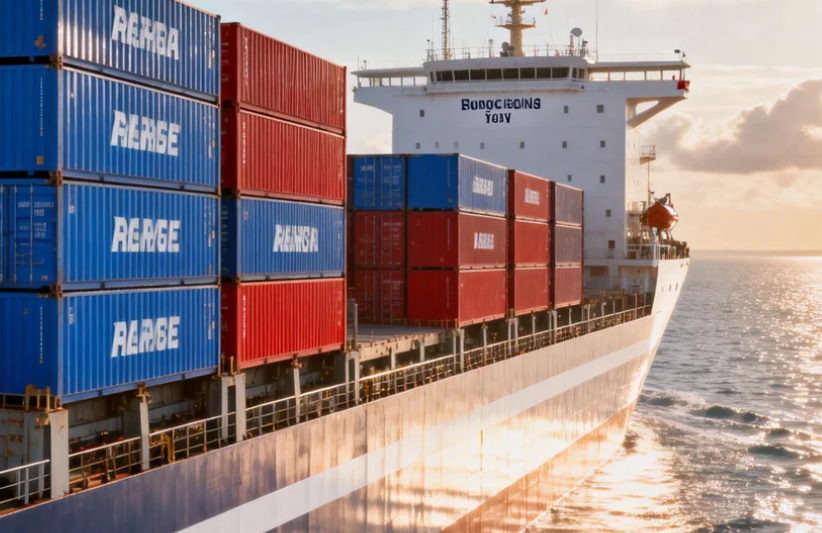
Factors Influencing Shipping Method Selection
Selecting the best shipping method from China to the USA for your business involves careful consideration of several critical factors. As a highly professional and experienced team at Dantful.US International Logistics, we guide clients through this process, ensuring optimized outcomes for every shipment. Here are the primary elements to consider:
Type and Volume of Goods: The nature, size, and weight of your cargo strongly influence your choice. For bulky or heavy goods, sea freight (especially FCL) is often more suitable, while urgent or high-value goods may require air freight.
Time Sensitivity: If your supply chain demands short lead times, air freight or express shipping is preferable. For less urgent shipments, sea freight or rail freight can offer significant cost savings.
Budget Constraints: Shipping costs differ widely between methods. Sea freight is generally the most cost-effective for large volumes, while air and express services command a premium for speed.
Destination and Delivery Terms: The proximity of your final destination to major US ports or airports can affect total transit time and local delivery costs.
Customs and Compliance Requirements: Some shipping methods offer smoother customs clearance or more robust documentation assistance. Partnering with a comprehensive logistics provider like Dantful.US ensures compliance and smooth processes.
Security and Tracking: Valuable or fragile items may benefit from the greater security and end-to-end tracking provided by air or express services.
Environmental Impact: Increasingly, businesses consider the carbon footprint of logistics. Sea freight and rail freight typically offer lower emissions per ton-kilometer compared to air transport.
Air Freight vs. Sea Freight: Which Is Better for Your Business?
Choosing between air freight and sea freight is a fundamental decision for businesses importing from China to the USA. Each method has unique benefits and limitations, and the ideal choice depends on your business priorities.
As we previously explored in our Shipping from China to USA guide, your choice should be tailored to your cargo type, timing, and budget.
Advantages and Disadvantages of Air Freight from China to USA
Air freight is renowned for speed and reliability, but comes with higher costs. Here’s a detailed breakdown:
Advantages:
Fastest transit times: Shipments from major airports in China (e.g., Shanghai PVG, Guangzhou CAN, Shenzhen SZX) to the USA (e.g., LAX, JFK) usually take 2–7 days.
High security: Airports have strict security protocols, reducing risk of damage or theft.
Minimal storage needs: Faster delivery reduces warehousing costs and enables just-in-time inventory.
Better tracking: Real-time tracking is available for most air cargo.
Disadvantages:
Higher cost: Air freight rates are significantly higher than sea freight, especially for heavy or bulky items.
Limited size and weight: Airlines have strict limits on cargo dimensions and weight.
Restricted cargo types: Hazardous materials and certain goods may not be accepted.
Environmental impact: Air transport has a higher carbon footprint per kilogram shipped.
Typical Air Freight Transit Times and Costs (Dec 2025):
| Route | Estimated Transit Time | Typical Cost (USD/kg) |
|---|---|---|
| Shanghai PVG → Los Angeles LAX | 2–5 days | $5.50 – $8.00 |
| Guangzhou CAN → Chicago ORD | 3–6 days | $6.00 – $8.50 |
| Shenzhen SZX → New York JFK | 3–7 days | $6.50 – $9.00 |
Rates fluctuate based on seasonality, fuel prices, and cargo type. Please contact Dantful.US International Logistics for a tailored quote.
Pros and Cons of Ocean Freight (FCL & LCL) for Business Shipments
Sea freight is the backbone of global trade, offering unmatched cost-efficiency for large shipments.
FCL (Full Container Load):
Advantages:
Best value for large shipments: Pay a flat rate for an entire container (20FT: 28CBM, 40FT: 56CBM, 40HQ: 68CBM, 45HQ: 78CBM).
Lower per-unit cost: Cost decreases as container utilization increases.
Enhanced security: Container is sealed at origin, minimizing risk of tampering.
Disadvantages:
Minimum volume required: Not cost-effective for small shipments.
Longer transit times: Typically 18–35 days port-to-port.
LCL (Less than Container Load):
Advantages:
Flexible for smaller shipments: Share container space and pay only for the space used.
Regular sailings: Multiple consolidators offer frequent LCL departures.
Disadvantages:
Longer processing times: Additional handling for consolidation and de-consolidation.
Slightly higher risk of damage: Cargo is handled more frequently.
If you’re specifically interested in cost-effective container shipping, you may find our resource on the Cheapest shipping company from China to USA helpful.
Typical Sea Freight Transit Times and Costs (Dec 2025):
| Route | FCL Transit Time | LCL Transit Time | FCL 40HQ Rate (USD, all-in) | LCL Rate (USD/CBM, all-in) |
|---|---|---|---|---|
| Shanghai → Los Angeles | 14–18 days | 18–24 days | $3500–$4200 | $130–$180 |
| Shenzhen → New York | 25–32 days | 28–35 days | $5200–$5800 | $170–$220 |
| Ningbo → Houston | 30–35 days | 33–38 days | $6100–$6700 | $200–$250 |
Rates vary by market conditions, container type, and service level. Dantful.US offers competitive and transparent pricing.
Comparing Transit Times and Costs: Air vs. Sea Freight
Here is a summary table to help you compare key aspects of air and sea freight for business shipments from China to the USA:
| Feature | Air Freight | Sea Freight FCL | Sea Freight LCL |
|---|---|---|---|
| Transit Time | 2–7 days | 14–35 days | 18–38 days |
| Cost (per kg/CBM) | $5.50–$9.00/kg | $80–$100/CBM (FCL) | $130–$250/CBM |
| Best for | Urgent, high-value, small/medium shipments | Large, heavy, non-urgent shipments | Small/medium non-urgent shipments |
| Volume Flexibility | Limited | Best for >15CBM | 1–15CBM |
| Security | Very high | High | Moderate |
| Environmental Impact | High | Low | Low |
| Risk of Damage | Very low | Low | Moderate |
Key Takeaways:
For time-sensitive and high-value products, air freight is ideal but comes at a higher price.
For large or bulky shipments where cost-efficiency is essential and delivery is less urgent, sea freight (FCL or LCL) remains the preferred choice.
If you are unsure which shipping method suits your business, consult with a trusted freight forwarder like Dantful.US International Logistics. We analyze your shipment requirements and offer the most effective, secure, and budget-friendly solutions.
At Dantful.US International Logistics, we provide end-to-end support for sea freight, air freight, rail freight, road freight, Amazon FBA, warehousing, customs clearance, insurance, door-to-door, and specialized cargo services. Our experienced team ensures your goods are shipped safely, efficiently, and in full compliance with all regulations—making us your one-stop logistics partner for all your China to USA shipping needs. For additional insights, see our article on Door to Door Shipping from China to USA.
Express Shipping from China to USA: Is It Worth the Cost?
Express shipping provides unparalleled speed and convenience for businesses shipping goods from China to the USA. However, its premium cost means it may not always be the best choice for every business scenario. Let’s explore express shipping in detail to help you determine if it aligns with your operational needs.
Leading Express Couriers – Speed, Tracking, and Reliability
When it comes to express shipping from China to the USA, several global express couriers dominate the market. The most recognized providers include DHL Express, FedEx, UPS, and TNT. These companies are known for:
Speed: Transit times are among the fastest, typically ranging from 2 to 5 business days from major Chinese cities (such as Shenzhen, Shanghai, or Guangzhou) to key destinations in the United States.
Comprehensive Tracking: Real-time tracking tools offer end-to-end visibility, enabling businesses to monitor shipments at every stage.
Reliability: On-time delivery rates for these couriers consistently exceed 95%, thanks to well-established international logistics networks.
Here’s a quick comparison of leading express couriers:
| Courier | Estimated Transit Time | Strengths | Typical Services |
|---|---|---|---|
| DHL Express | 2-4 business days | Fast customs clearance, global coverage | Documents, small parcels, urgent shipments |
| FedEx | 3-5 business days | Strong US network, reliable tracking | Documents, e-commerce, samples |
| UPS | 3-5 business days | Expedited options, door-to-door | Business parcels, heavy goods |
| TNT | 4-6 business days | Wide European network, flexible pickup | Palletized cargo, express parcels |
Dantful.US International Logistics partners with major express couriers to offer clients highly competitive rates and flexible shipping options, ensuring that your critical shipments arrive on time.
When Should Businesses Choose Express Shipping?
Express shipping is not always the most economical choice, but it delivers unmatched value in specific scenarios:
Urgent Shipments: When speed is the top priority, such as sending product samples, meeting tight launch deadlines, or replenishing fast-moving inventory.
High-Value or Time-Sensitive Goods: For electronics, pharmaceuticals, or perishable items where delays could result in significant losses.
Small Parcels or Documents: When sending small volumes where the premium paid is offset by rapid delivery.
E-commerce Fulfillment: Cross-border e-commerce sellers benefit from faster delivery times, which can improve customer satisfaction and reduce negative feedback.
Supply Chain Disruptions: During unforeseen delays in sea or air freight, express can serve as a reliable backup to maintain business operations.
Cost Consideration: Express shipping rates are based on weight and dimensions, and prices can escalate quickly for heavier consignments. Businesses should weigh the urgency of delivery against the increased shipping costs.
Summary Table: When to Use Express Shipping
| Shipping Scenario | Express Shipping Recommended? | Notes |
|---|---|---|
| Small, urgent sample shipment | Yes | Fastest option; high reliability |
| Large, low-value bulk order | No | Too costly; consider sea freight |
| E-commerce (premium delivery) | Yes | Enhances customer experience |
| Inventory replenishment (emergency) | Yes | Prevents stockouts and lost sales |
| Routine, non-urgent shipments | No | Use air or sea freight for cost savings |
As a trusted partner, Dantful.US International Logistics can help you assess your shipping needs and recommend whether express shipping or more economical options are best for your business.
Rail and Multimodal Shipping Options Between China and USA
While air and ocean freight dominate traditional trade lanes between China and the USA, evolving global supply chains and infrastructure have introduced new alternatives like rail freight and multimodal solutions. These methods can offer attractive balances of cost, speed, and flexibility, especially for enterprises seeking to optimize their logistics strategy.
How Rail Freight Works for China-USA Trade
Direct rail connections between China and the USA are not feasible due to the Pacific Ocean. However, rail freight plays an important role in the China–Europe–USA multimodal corridor:
Step 1: Cargo departs from major Chinese rail hubs (such as Chongqing, Xi’an, or Zhengzhou) via the China-Europe Railway Express to ports in Europe (e.g., Hamburg, Rotterdam).
Step 2: Goods are then transshipped at European ports and forwarded by sea freight to US ports (such as New York, Los Angeles, or Houston).
Advantages:
Faster than traditional ocean freight: Rail-sea multimodal shipments can be 7-15 days faster than standard ocean freight alone.
Stable schedules: Rail is less affected by weather than sea or air routes.
Competitive costs: Lower than air freight, slightly higher than pure ocean freight, depending on cargo type and season.
Ideal for: Mid-sized shipments with moderate urgency—especially for businesses balancing time and budget.
Example Timeframes:
| Route | Estimated Transit Time |
|---|---|
| China → Germany (by rail) | 15-18 days |
| Germany → USA (by sea) | 10-15 days |
| Total (Rail + Sea, China-USA) | 25-33 days |
Multimodal Solutions: Combining Sea, Air, Rail, and Trucking
Multimodal shipping leverages the strengths of two or more transportation modes to optimize efficiency and cost. For China-USA supply chains, common multimodal solutions include:
Rail-Sea Freight: As outlined above, combining rail from inland China to Europe, then ocean freight to the USA.
Sea-Air Freight: Cargo ships from China to a transshipment hub (such as Dubai or Singapore), then flies to the USA. This is faster than pure sea freight and less costly than full air freight.
Sea-Truck Freight: Goods shipped to the West Coast USA by sea, then distributed inland via long-haul trucking.
If your cargo requires inland distribution within the US, our Road Freight solutions can efficiently connect major ports to final destinations.
Benefits of Multimodal Shipping:
Flexibility: Tailored solutions to fit delivery timelines, cargo types, and cost requirements.
Risk Mitigation: Bypasses disruptions in a single transport leg by rerouting via alternative modes.
Environmental Impact: Some routes can reduce carbon footprint compared to air freight.
Comparison Table: China to USA Shipping Modes
| Mode | Transit Time (Days) | Typical Cost (USD/CBM) | Ideal For |
|---|---|---|---|
| Air Freight | 3-7 | $6–12 | Urgent, high-value goods |
| Sea Freight (FCL) | 20-35 | $1–3 | Bulk cargo, non-urgent shipments |
| Express Shipping | 2-5 | $8–15 | Samples, urgent parcels |
| Rail-Sea Multimodal | 25-33 | $3–6 | Moderate urgency, inland destination |
| Sea-Air Multimodal | 10-18 | $5–9 | Faster than sea, cheaper than air |
Dantful.US International Logistics provides expert consultation and end-to-end management for all shipping modes, including complex multimodal solutions. Our team ensures seamless transitions between modes, optimized routing, and full compliance with international shipping regulations.
In summary, choosing between express, rail, or multimodal shipping from China to the USA depends on your business priorities—be it speed, cost, or flexibility. Leverage our expertise at Dantful.US International Logistics to customize a shipping strategy that aligns with your supply chain needs and maximizes value for your business.
How to Save on Shipping from China to USA
Detailed Breakdown of Shipping Costs
For any business importing from China to the USA, understanding the composition of shipping costs is essential to optimize your logistics budget and improve profit margins. International shipping expenses typically comprise several key components:
| Cost Component | Description | Typical Range / Notes |
|---|---|---|
| Freight Charges | The main cost for transporting cargo via Sea Freight, Air Freight, or other modes. | Varies by mode, weight, volume, route. |
| Fuel Surcharges (BAF, CAF) | Adjustments for bunker and currency fluctuations. | Regularly updated, visible in quotations. |
| Terminal Handling Charges (THC) | Costs for loading/unloading at origin and destination ports. | $100–$400 per container, depending on port. |
| Documentation Fees | Charges for Bill of Lading, export/import docs, etc. | $50–$100 per set of docs. |
| Customs Duties & Taxes | Fees levied by US Customs on imported goods. | Based on HS code, value, product origin. |
| Customs Brokerage | Professional handling of clearance process. | $50–$150 per shipment (varies by complexity). |
| Insurance | Protects cargo against loss or damage during transit. | 0.2%–0.5% of cargo value (optional but recommended). |
| Inland Transportation | Trucking, rail, or intermodal moves to/from port/warehouse. | Depends on distance, mode, and urgency. |
| Warehousing & Storage | Temporary holding of goods at warehouse/port. | $0.50–$2.00 per CBM/day (varies by location). |
| Additional Fees | E.g., inspections, demurrage, detention, peak season surcharges. | Only if incurred. |
Typical Example: Shipping a 40HQ Container
| Route | Port-to-Port Freight (USD) | THC/Local Fees (USD) | Average Transit Time | Total (excl. duties/taxes) |
|---|---|---|---|---|
| Shenzhen – Los Angeles | $2,000–$3,000 | $400–$800 | 15–20 days | $2,400–$3,800 |
| Shanghai – New York | $3,500–$5,000 | $500–$900 | 25–30 days | $4,000–$5,900 |
Please note: Prices fluctuate due to fuel, demand, and seasonality. Always request updated quotes.
Tips to Reduce International Shipping Expenses for Businesses
Reducing shipping costs from China to the USA requires a strategic approach, timely planning, and the right logistics partner. Here are expert tips to optimize your expenses:
Choose the Right Shipping Mode
For large, bulky, or non-urgent shipments, Sea Freight (especially FCL) is the most cost-effective.
For urgent or valuable goods, consolidate shipments to maximize load and reduce per-unit costs in Air Freight.
Consolidate Shipments
Combine multiple orders into a single FCL container to benefit from volume discounts and lower handling fees.
For smaller quantities, consider LCL consolidation services.
Negotiate with Your Freight Forwarder
Build strong relationships and negotiate rates, especially for recurring or high-volume shipments. Dantful.US International Logistics offers competitive pricing and tailored solutions.
Optimize Packaging
Reduce package size and weight without compromising safety, to minimize volumetric charges and maximize container utilization.
Plan Shipments Around Peak Seasons
Avoid shipping during high-demand periods (like Chinese New Year or Golden Week) to sidestep premium rates.
Use Multimodal Solutions
Integrate Rail, Sea, and Road Freight to balance cost and speed, especially for inland US destinations.
Ensure Accurate and Complete Documentation
Prevent delays and additional fees by preparing all required documents correctly (see below for details).
Take Advantage of Warehousing Services
Strategic use of warehouses in China or the USA can help you consolidate cargo and batch shipments more economically.
Leverage Value-Added Services
Services such as insurance and customs clearance by experts like Dantful.US International Logistics can help prevent costly errors.
Monitor Extra Charges
Watch for demurrage, detention, and storage fees at both origin and destination, and clear your cargo promptly.
Customs Clearance and Documentation for Smooth Shipping
Essential Documents for Importing Goods into the USA
Efficient clearance through US Customs requires careful preparation of the following documents:
| Document | Purpose | Issued By | Notes |
|---|---|---|---|
| Commercial Invoice | Details transaction, value, and product info | Exporter/Seller | Must match purchase order and packing list |
| Packing List | Lists contents, quantity, weight, and packaging details | Shipper | Used for inspection and planning |
| Bill of Lading (B/L) | Evidence of shipment, contract of carriage, receipt of goods | Carrier/Freight Forwarder | Can be Original or Telex Release; negotiable or non-negotiable |
| Arrival Notice | Alerts consignee of cargo arrival at US port | Carrier | Needed for customs clearance |
| Import Security Filing (ISF/10+2) | Advance shipment info for US Customs | Importer / Customs Broker | Must be filed at least 24 hours before vessel departs China |
| Customs Bond | Guarantees payment of duties/taxes | Surety company | Required for formal entries above $2,500 value |
| Certificate of Origin | States product origin for duty assessment | Exporter/Chamber of Commerce | Required for certain regulated goods |
| Other Certificates | e.g., FDA, FCC, USDA clearance for specific goods | Relevant Authority | Required for food, electronics, pharmaceuticals, etc. |
Customs Duties, Taxes, and Compliance Requirements
Importing goods into the United States involves various regulatory requirements and duties:
Customs Duties: Determined by HS Code, country of origin, and product value. US duty rates vary widely (typically 0%–25%), and additional tariffs may apply (e.g., Section 301 for certain Chinese goods).
Taxes: The main tax is the Merchandise Processing Fee (MPF) (0.3464% of value, min $27.23, max $528.33) and the Harbor Maintenance Fee (HMF) for ocean shipments (0.125% of value).
Compliance Requirements:
Accurate and truthful documentation is mandatory.
Goods must comply with all US regulations (e.g., CPSC, FDA, EPA, FCC).
Some products require specific permits or certifications.
Non-compliance can lead to delays, fines, or seizure of goods.
Customs Bond: For commercial imports over $2,500, a customs bond is required to guarantee payment of duties and compliance with regulations.
Partnering with a Licensed Customs Broker: Working with an experienced customs broker or freight forwarder like Dantful.US International Logistics ensures smooth, compliant clearance and minimizes risk.
Choosing a Reliable Freight Forwarder for US-bound Shipments
Selecting the best freight forwarder is crucial for businesses shipping from China to the USA. A reputable partner enhances efficiency, minimizes risk, and helps control costs.
For businesses considering shipments to neighboring markets, you may also be interested in our expertise on Shipping from China to Canada.
Key Factors to Consider:
Industry Experience & Reputation
Ensure your forwarder has proven China–USA expertise, strong carrier relationships, and positive client references.
Dantful.US International Logistics is a highly professional, cost-effective, and trustworthy one-stop logistics provider for global trade.
Range of Services Offered
Look for comprehensive solutions: Sea Freight (FCL & LCL), Air Freight, Rail Freight, Road Freight, Amazon FBA logistics, warehousing, customs clearance, insurance, door-to-door, OOG, consolidation, and breakbulk freight.
Transparent Pricing
Choose a partner that provides clear, itemized quotes with no hidden charges.
Customer Support & Communication
Responsive, English-speaking teams and 24/7 shipment tracking are essential for international logistics.
Technology & Tracking
Digital tools for online booking, documentation, and real-time cargo visibility are increasingly important.
Customs Compliance Expertise
Strong knowledge of US import regulations, documentation, and duty optimization prevents clearance issues.
Network & Local Support
A global network with local presence in key Chinese ports (like Shanghai, Shenzhen, Ningbo, Qingdao) and major US hubs (Los Angeles, New York, Houston, etc.).
Why Choose Dantful.US International Logistics?
One-Stop Service: From booking, consolidation, and customs clearance to last-mile delivery and insurance.
Cost-Effective Solutions: Competitive rates for all shipping methods, tailored to your business needs.
Reliability: Excellent track record for on-time and secure deliveries from China to the USA.
Expert Customs Support: Licensed professionals to handle all US Customs requirements smoothly.
Advanced Technology: Real-time tracking and digital document management.
Dedicated Customer Service: Personalized, consultative support for each shipment.
For a free, detailed shipping quote or consultation, contact Dantful.US International Logistics. We’ll help you select the best shipping method from China to the USA for your business, optimize your costs, and ensure your cargo arrives safely and on time.
Optimizing your shipping strategy is an ongoing process. With the right partner and proactive management, you can achieve significant savings and greater reliability across your supply chain.
Leave a reply