

Are you looking to streamline freight shipping from China to USA for your business, but unsure where to begin or which method suits you best? In this comprehensive guide, we’ll break down essential shipping methods, important documents, and cost factors related to international freight shipping. Get ready to discover practical steps, expert tips, and solutions to common challenges—everything you need to optimize your shipping process from China to the USA.
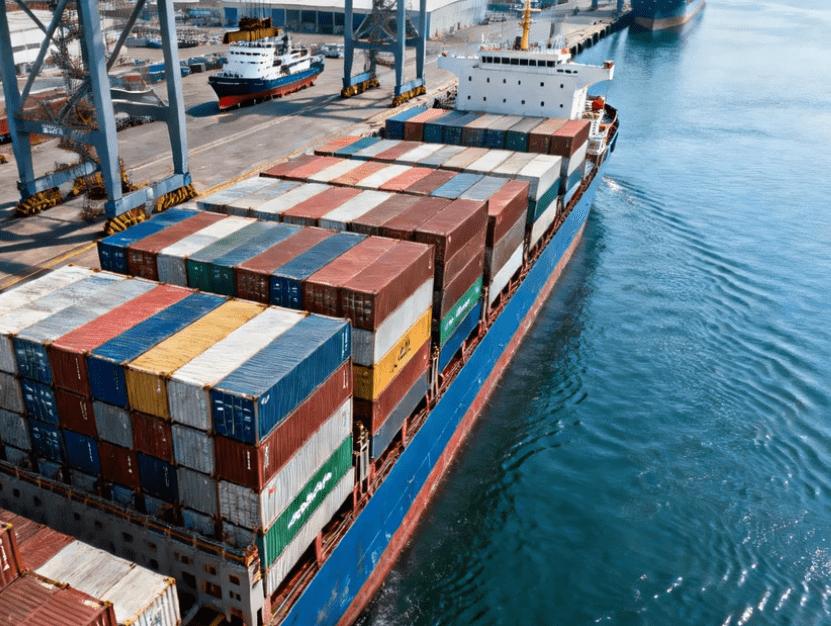
Overview of Freight Shipping from China to USA
Shipping freight from China to the USA is a critical link in today’s global supply chain, serving businesses of all sizes—from multinational enterprises to small e-commerce sellers. Due to the high volume of bilateral trade, the China–USA freight corridor supports a full spectrum of cargo types, including consumer goods, electronics, machinery, textiles, and automotive parts.
Reliable freight shipping ensures timely delivery, competitive landed costs, and compliance with both Chinese and US customs regulations. With increasing demand for efficiency and transparency, selecting the right shipping mode and logistics partner is essential. At Dantful.US International Logistics, we combine industry expertise, robust global networks, and advanced digital solutions to provide seamless end-to-end services.
Key benefits of freight shipping between China and the USA include:
- Access to major ports and airports in both countries.
- Flexible options for different cargo volumes, values, and urgency.
- Professional support for documentation, customs clearance, and compliance.
- Value-added services such as warehousing, insurance, consolidation, and door-to-door delivery.
Whether you’re a first-time importer or a seasoned supply chain manager, understanding the main shipping methods and their advantages will help you make the best logistics decisions. For a more detailed discussion on costs and timelines, check our insights on How long does sea freight take from China to USA.
Main Shipping Methods: Sea vs. Air
Freight shipping from China to the USA primarily utilizes two main transportation modes: ocean freight and air freight. Each method has unique strengths depending on your shipment’s size, value, urgency, and budget.
Ocean Freight (FCL vs. LCL) Explained
Ocean freight is the most widely used method for international shipping, particularly for large and non-urgent shipments. It is cost-effective and suitable for bulk cargo, offering two main service types:
Full Container Load (FCL):
Your goods occupy an entire shipping container, providing exclusivity and security. This is ideal for large shipments—typically over 15 CBM or when cargo requires dedicated handling.Less than Container Load (LCL):
Your cargo shares a container with other shippers’ goods, making it economical for smaller shipments (1-15 CBM). This reduces costs but may increase transit time due to consolidation and deconsolidation.
Container Options and Capacity:
| Container Type | Length | Internal Volume (CBM) | Typical Cargo Weight (Tons) |
|---|---|---|---|
| 20FT Standard | 6.06m | 28 CBM | Up to 25 tons |
| 40FT Standard | 12.19m | 56 CBM | Up to 25-27 tons |
| 40FT High Cube | 12.19m | 68 CBM | Up to 25-27 tons |
| 45FT High Cube | 13.72m | 78 CBM | Up to 29 tons |
Sea freight schedules are less frequent but suitable for regular supply chain cycles. Transit times from major Chinese ports (e.g., Shanghai, Shenzhen, Ningbo, Qingdao) to US ports (Los Angeles, Long Beach, New York, Savannah) typically range from 15 to 35 days, depending on port pairs and route.
Advantages:
- Lowest cost per unit for large shipments
- Suitable for a broad range of cargo
- Flexible service types (FCL, LCL, OOG, breakbulk)
- Lower carbon footprint per ton-km
Considerations:
- Longer transit times
- Port congestion, customs clearance can cause delays
- Requires more planning and inventory management
Dantful.US Logistics provides comprehensive sea freight solutions, including FCL, LCL, OOG (out of gauge), breakbulk, and consolidated freight, ensuring your cargo is handled professionally from port to door. For common routes and costs, you may also find Sea Freight from China to USA helpful.
Air Freight from China to USA
Air freight is the fastest mode for international shipping, ideal for high-value, time-sensitive, or perishable goods. Popular among electronics, fashion, and urgent spare parts industries, air cargo is typically suitable for shipments under 2 CBM or less than 300 kg.
Key Features:
- Transit times from major Chinese airports (such as Shanghai Pudong, Guangzhou Baiyun, Shenzhen Bao’an, Beijing Capital) to US airports (Los Angeles LAX, Chicago ORD, New York JFK, Dallas DFW) range from 2 to 7 days, including customs clearance.
- Higher freight rates compared to sea shipping, but lower inventory carrying costs due to reduced lead time.
Advantages:
- Fastest delivery (door-to-door possible within a week)
- High security and lower risk of damage/theft
- Reliable schedules with frequent flights
Considerations:
- Higher costs, especially for heavy or bulky shipments
- Stricter packaging and documentation requirements
- Weight and volume restrictions
Dantful.US Logistics offers express air freight, standard air cargo, and tailored solutions for e-commerce, samples, and high-value goods, ensuring speed and reliability with full supply chain visibility. If you need a quick estimate, see How much is shipping from China to USA per kg.
How to Choose the Right Mode for Your Business
Selecting between sea freight and air freight depends on several key factors:
| Criteria | Ocean Freight | Air Freight |
|---|---|---|
| Cargo Volume & Weight | Large, heavy, bulky | Small, lightweight, valuable |
| Budget | Cost-effective for bulk shipments | Higher cost per kg/cbm |
| Transit Time | 15-35 days (port-port) | 2-7 days (airport-airport) |
| Cargo Type | General, oversized, non-urgent | Urgent, sensitive, perishable |
| Flexibility | Good for regular large shipments | Flexible for urgent, small lots |
| Carbon Footprint | Lower per ton-km | Higher per ton-km |
Key Considerations:
- Delivery Deadline: Do you have strict time constraints?
- Product Value & Sensitivity: Can your cargo tolerate longer transit times?
- Cost Structure: Is freight cost a significant portion of your total landed cost?
- Supply Chain Strategy: Do you need consistent, high-frequency replenishment?
For most small and medium-sized businesses, a mix of both modes—leveraging air freight for urgent orders and sea freight for regular inventory—can optimize both cost and service level.
By understanding these shipping methods and matching them to your supply chain needs, you can build a more resilient, cost-efficient, and reliable logistics workflow for your China-USA freight shipments. If you need expert advice or a free quote, please contact us at Dantful.US International Logistics—your trusted global logistics partner. For a specialized look at e-commerce logistics, see Amazon FBA freight forwarder shipping from China to USA.
Step-by-Step Guide to the Shipping Process
Efficient Freight Shipping from China to USA requires a practical understanding of each stage involved. Below, I will walk you through the critical steps, integrating essential expertise for smooth and reliable international logistics.
Preparing Goods for International Shipment
Proper preparation ensures your cargo arrives safely and on time. Here’s what I advise:
- Product Classification: Determine the correct HS Code for your goods. This influences customs duties and compliance requirements.
- Packaging Standards: Use robust export-grade packaging to withstand long transits by sea freight or air freight. For fragile goods, double boxing and cushioning are vital. For FCL (Full Container Load), optimize carton sizes to utilize every cubic meter. For LCL (Less than Container Load), palletizing cargo helps prevent damage.
- Labeling: Clearly mark each package with consignee, shipper, destination, and handling instructions as per international shipping regulations.
- Dangerous Goods: If shipping hazardous materials, comply with IMDG or IATA requirements, including providing Material Safety Data Sheets (MSDS).
Essential Shipping Documents and Compliance
Documentation accuracy is essential for customs clearance and avoiding delays. The main documents include:
| Document Type | Purpose | Who Issues/Prepares |
|---|---|---|
| Commercial Invoice | Itemizes goods, value, and terms of sale | Shipper/Exporter |
| Packing List | Details contents, weight, and packaging information | Shipper/Exporter |
| Bill of Lading (B/L) / Air Waybill (AWB) | Contract of carriage and receipt of goods | Carrier/Freight Forwarder |
| Certificate of Origin | Certifies manufacturing country; sometimes required for customs | Chamber of Commerce/Manufacturer |
| Import/Export Licenses | Legal authorization to trade certain goods | Exporter/Importer (if required) |
| Insurance Certificate | Proof of cargo insurance coverage | Insurer/Freight Forwarder |
Dantful.US International Logistics assists our clients in preparing all required documents, ensuring compliance with both Chinese and U.S. Customs regulations.
Booking Freight and Working with Freight Forwarders
Choosing the right partner is crucial for a hassle-free experience:
- Selecting Freight Forwarders: Work with an established, licensed, and experienced provider like Dantful.US International Logistics. We offer one-stop services covering Sea Freight, Air Freight, Rail Freight, Road Freight, Amazon FBA, Warehousing, Customs Clearance, Insurance, and more.
- Freight Booking: Decide on shipping mode and container size (20FT, 40FT, 40HQ, 45HQ). We compare rates, schedules, and reliability to match your shipping goals.
- Cargo Consolidation: For small shipments, consolidation services reduce costs and simplify logistics.
- Real-Time Tracking: Use our digital platform to monitor shipments at every stage for enhanced transparency.
For readers interested in broader logistics solutions, see related options like Shipping from China to Canada.
Customs Clearance Procedures in China and USA
Clearing customs is one of the most critical parts of international shipping:
- Export Clearance in China:
- File the export declaration with China Customs using correct documentation.
- Pay any applicable export taxes or comply with export controls for restricted items.
- Import Clearance in USA:
- Submit the Entry Manifest (CBP Form 7533) or Entry/Immediate Delivery form, along with supporting documents.
- Pay import duties and taxes as assessed by U.S. Customs and Border Protection (CBP).
- For certain products, comply with Food and Drug Administration (FDA), USDA, or other agency requirements.
- Customs Brokerage: Experienced forwarders like us can act as your customs broker, minimizing delays and ensuring full compliance.
Final Delivery: From Port to Door
After clearing customs, your cargo reaches its final destination:
- Inland Transportation: Choose between rail, truck, or express delivery based on urgency and cost.
- Amazon FBA Shipments: We deliver directly to Amazon warehouses, following their strict receiving guidelines.
- Warehousing & Distribution: Utilize our U.S. warehouse for temporary storage, consolidation, or last-mile distribution.
- Proof of Delivery: Receive digital confirmation once goods are received at your facility.
Key Factors Influencing Shipping Costs and Transit Time
Understanding what drives both cost and transit time allows you to plan and budget effectively.
Major Cost Components: Freight Rates, Surcharges, and Fees
The main components of your shipping cost are as follows:
| Cost Element | Description | Applies to |
|---|---|---|
| Freight Rate | Base shipping charge by sea or air per container or kilogram | All shipments |
| Fuel Surcharge (BAF) | Adjusted periodically based on global fuel prices | Sea & Air |
| Terminal Handling Charge (THC) | Charged at both loading and discharge ports for container handling | Sea |
| Documentation Fee | Covers preparation of shipping documents | All shipments |
| Customs Fees/Duties | Taxes and duties levied by importing country | All shipments |
| Insurance | Optional, but recommended for risk management | All shipments |
| Delivery to Door | Final leg transportation from port to customer’s address | As needed |
| Demurrage/Detention | Penalties for storage/late return of containers at port | Sea |
| Additional Surcharges | E.g. Peak Season Surcharge (PSS), General Rate Increase (GRI), Security Charges | As applicable |
For those considering end-to-end solutions, see our Door to Door Shipping guide for a deep dive into service advantages.
Main Factors Affecting Transit Time
Key variables impacting how quickly your shipment moves:
- Shipping Mode: Air freight is the fastest (3–7 days), ocean freight slower but cost-effective (typically 15–35 days).
- Port Pair: The choice of origin and destination ports matters (e.g., Shanghai to Los Angeles is faster than to New York).
- Customs Clearance: Delays may occur if documentation is incomplete or inspections are triggered.
- Intermodal Connections: Transfers between ship, rail, and truck can add or reduce time.
- Weather & Force Majeure: Typhoons, port strikes, or global events can impact schedules.
Example Table: Typical Transit Times from Major Chinese Ports to U.S. Ports by Ocean Freight
| Route (Port to Port) | FCL (Days) | LCL (Days) |
|---|---|---|
| Shanghai – Los Angeles | 13–18 | 18–23 |
| Shenzhen – Long Beach | 15–20 | 20–25 |
| Ningbo – New York | 28–35 | 33–40 |
| Qingdao – Houston | 24–32 | 30–37 |
Note: These are port-to-port times and do not include pickup, customs, or final delivery.
Port Congestion, Holidays, and Seasonal Variations
Some periods see higher congestion and delays due to:
- Port Congestion: Major U.S. ports like Los Angeles and Long Beach can experience backups, especially during peak season.
- Chinese and U.S. Holidays: Chinese New Year, Golden Week, National Day, and U.S. holidays (e.g., Thanksgiving, Christmas) affect shipping schedules.
- Seasonal Peaks: The months before major retail seasons (August–October) see higher demand, leading to Peak Season Surcharges (PSS) and longer transit times.
Holiday Impact Table
| Holiday/Season | Affected Country | Typical Impact |
|---|---|---|
| Chinese New Year | China | Factories close; limited bookings; higher rates |
| Golden Week | China | Port congestion; shipping delays |
| Thanksgiving/Xmas | USA | Congested ports; delays in final delivery |
| Back-to-School | Both | Increased demand; possible space shortage |
How to Get an Accurate Freight Quote
To receive a timely and precise shipping quote, I recommend providing:
- Cargo details: Type, weight, dimensions, packaging method, HS Code.
- Incoterms: E.g., FOB, EXW, DAP (defines who pays for what part of the journey).
- Departure/Arrival Ports: Exact Chinese and U.S. ports or addresses for door-to-door.
- Shipping Mode & Service: FCL, LCL, air freight, express, Amazon FBA, etc.
- Special Requirements: Temperature control, hazardous goods, insurance, or expedited service.
For a tailored, competitive quote, contact Dantful.US International Logistics. We leverage our expertise and global network to offer professional, cost-effective, and one-stop solutions for all your freight needs from China to the USA.
With proper planning and the support of a reliable freight forwarder like Dantful.US International Logistics, you can optimize your supply chain, lower costs, and navigate the complexities of Freight Shipping from China to USA with confidence.
Common Challenges and How to Avoid Them
International freight shipping from China to USA can be complex, with various potential challenges that may impact your shipment’s cost, timeline, and safety. Addressing these proactively is crucial for importers, exporters, and supply chain professionals. Below, I’ll outline common challenges and provide actionable strategies to avoid them.
Customs Delays and How to Prevent Them
One of the most frequent issues in China–USA freight shipping is customs delays. These can arise due to incomplete documentation, misdeclaration of goods, or non-compliance with regulations at either Chinese or US customs.
How to Prevent Customs Delays:
| Key Area | Best Practice |
|---|---|
| Document Accuracy | Ensure all shipping documents (commercial invoice, packing list, bill of lading, etc.) are accurate and match the cargo. |
| HS Codes & Declarations | Use correct HS codes and ensure product descriptions are precise. Misclassification can cause hold-ups. |
| Compliance | Stay updated with both China and USA import/export regulations. Some goods require licenses or additional paperwork. |
| Pre-clearance | Work with an experienced freight forwarder to pre-clear shipments and flag potential issues early. |
| Communication | Maintain open communication with your logistics partner and customs broker throughout the process. |
As a professional, I always recommend working with a trusted partner like Dantful.US International Logistics. Our team provides compliance checks and real-time status updates, minimizing the risk of costly customs hold-ups.
Packaging, Insurance, and Damage Prevention
Improper packaging or lack of insurance are leading causes of cargo damage and financial loss. During long transit, containers are handled multiple times at various ports, increasing the risk.
Best Practices for Packaging & Insurance:
- Robust Packaging: Use export-grade materials. Reinforce cartons, palletize where possible, and waterproof items susceptible to moisture.
- Container Selection: Choose the right container size (e.g., 20FT–28CBM, 40FT–56CBM, 40HQ–68CBM, 45HQ–78CBM) to avoid cargo movement and optimize space.
- Labelling: Clearly label all packages with consignee details, handling instructions, and regulatory markings.
- Cargo Insurance: Always insure your goods for full value, covering risks such as loss, theft, or damage in transit.
- Professional Loading: Work with expert cargo handlers and reputable freight forwarders like Dantful.US Logistics to supervise container loading.
Our services cover the full spectrum—including insurance and packaging consultancy—ensuring your shipment arrives safely and securely.
If you’re shipping to other destinations, you may also find our guides on Shipping from China to UK or Shipping from China to Canada relevant to your needs.
Dealing with Lost or Delayed Shipments
Lost or delayed shipments can disrupt your business and erode customer trust. Causes include carrier errors, transshipment issues, or unforeseen events such as port congestion or extreme weather.
How to Reduce the Risk:
- Real-Time Tracking: Use platforms that provide live shipment visibility from China to USA—available for both ocean freight and air freight.
- Choosing Reliable Partners: Select carriers and logistics providers with proven track records. Dantful.US International Logistics partners only with leading global carriers.
- Contingency Planning: Build extra lead time into your supply chain, especially during peak seasons or holidays (e.g., Chinese New Year, Golden Week).
- Claims Process: Ensure your forwarder has a clear, supportive claims process for lost or damaged shipments.
How to Optimize Shipping for Cost, Speed, and Reliability
Optimizing your freight shipping strategy from China to the USA is essential to maintaining a competitive edge. Here’s how you can achieve the best balance between cost, transit time, and reliability.
Tips for Reducing Freight Costs
- Consolidate Shipments: Group smaller shipments into a single larger one (LCL/LTL consolidation) to save on per-unit freight charges.
- Plan Ahead: Book shipments early to avoid peak season surcharges and secure better rates.
- Route Optimization: Choose the most direct routes and avoid less efficient transshipment ports when possible.
- Negotiate Rates: Leverage relationships or work with brokers like Dantful.US Logistics who can negotiate competitive rates based on volume.
- Choose the Right Mode: For bulky, non-urgent cargo, ocean freight is more cost-effective than air freight.
Typical Cost Comparison (2026)
| Freight Type | Approx. Cost (USD/CBM) | Transit Time (days) | Best For |
|---|---|---|---|
| Sea Freight (FCL, 40HQ) | $80–$120 | 18–30 | Large, heavy, non-urgent cargo |
| Sea Freight (LCL) | $150–$250 | 22–35 | Small/medium shipments |
| Air Freight | $4–$8/kg | 3–7 | Urgent, high-value goods |
Note: Costs vary by specific origin port in China and destination port in USA. For a tailored quote, contact our team at Dantful.US.
Improving Transit Times and Supply Chain Efficiency
- Select Fast Routes: Prioritize direct sailings or flights with minimal transshipments.
- Port Selection: Use major, less-congested ports in China (e.g., Shanghai, Shenzhen) and USA (e.g., Los Angeles, Long Beach) for faster processing.
- Streamline Documentation: Prepare all documents in advance and use digital submission where accepted.
- Leverage Technology: Use tracking and supply chain management systems for better visibility and proactive decision-making.
- Flexible Modes: Consider a combination of sea-air, rail, or express services for optimal balance when needed.
Choosing Reliable Freight Forwarders and Carriers
Your freight forwarder is your supply chain’s backbone. Here’s how to ensure you’re choosing the best partner:
| Selection Criteria | Why It Matters |
|---|---|
| Experience & Reputation | Proven expertise in China–USA logistics, with positive customer feedback. |
| Service Range | Offers full service: Sea Freight, Air Freight, Rail, Road, Amazon FBA, Warehouse, Customs Clearance, Insurance, Door-to-Door, OOG, Consolidated, Breakbulk. |
| Customer Support | 24/7 support, proactive updates, and multi-language assistance. |
| Technology | Provides online tracking, digital documentation, and transparent quoting. |
| Competitive Pricing | Delivers value without sacrificing service quality. |
At Dantful.US International Logistics, we pride ourselves on being a highly professional, cost-effective, and high-quality one-stop international logistics service provider for global traders. Our expert team will guide you at every step, ensuring your shipments from China to USA are handled with care, speed, and transparency.
In summary: By understanding and proactively addressing the common challenges in freight shipping from China to USA, and by partnering with an experienced logistics provider like Dantful.US, you can optimize your supply chain for cost, speed, and reliability—ensuring your business stays ahead in the global marketplace.
Leave a reply