

Are you looking to maximize savings and streamline shipping for auto parts with sea freight from Vietnam to the USA? Understanding how bulk shipping, precise timelines, and compliance impact your profits is crucial for importers. In this comprehensive guide, we’ll explore how sea freight auto parts Vietnam to USA offers bulk savings, efficient transit, and step-by-step strategies to optimize your logistics and ensure smooth, cost-effective deliveries.
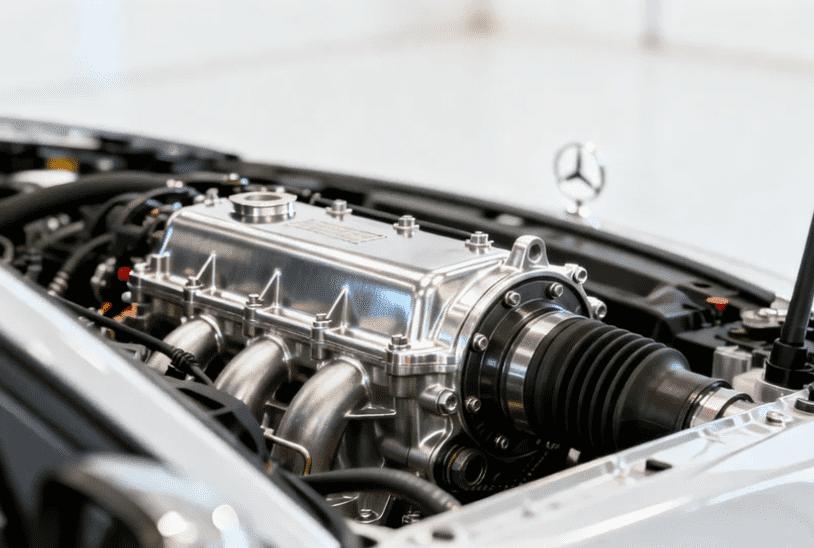
Overview of Sea Freight Auto Parts from Vietnam to USA
Shipping auto parts by sea freight from Vietnam to the USA has become a strategic choice for many importers and supply chain managers seeking to balance cost, speed, and reliability. Over the past few years, Vietnam has emerged as a major manufacturing hub for automotive components, offering competitive production costs and a robust export infrastructure. Leveraging sea freight allows businesses to ship bulk auto parts efficiently, benefiting from established trade routes, modern ports such as Ho Chi Minh City and Hai Phong, and seamless connections to major US ports like Los Angeles, Long Beach, Houston, and New York/New Jersey.
The primary advantage of sea freight lies in its ability to move large volumes of parts—ranging from engines, transmissions, and body components to smaller accessories—at significantly lower per-unit costs compared to air freight. With experienced partners like Dantful.US International Logistics, importers can ensure compliance, optimize shipping schedules, and reduce operational risks throughout the shipping process.
Cost Advantages of Sea Freight: Bulk Shipping Savings
How Bulk Shipping Reduces Costs for Auto Parts Importers
Bulk shipping is the cornerstone of cost optimization in international logistics. When importing auto parts from Vietnam to the USA, utilizing Full Container Load (FCL) or Less than Container Load (LCL) options allows businesses to spread transportation costs over a larger volume, resulting in substantial per-unit savings.
FCL (Full Container Load): Ideal for large shipments, filling a 20FT (28 CBM), 40FT (56 CBM), 40HQ (68 CBM), or 45HQ (78 CBM) container. Importers benefit from fixed rates and reduced handling, minimizing damage risk and improving security.
LCL (Less than Container Load): Suited for smaller shipments, where multiple consignments share container space. This offers flexibility, though with slightly higher per-unit costs and more handling.
A typical cost breakdown might look like this:
| Container Type | Capacity (CBM) | Average Shipping Cost (Vietnam to US West Coast, USD) | Cost per CBM (Approx, USD) |
|---|---|---|---|
| 20FT | 28 | $2,200 – $2,800 | $79 – $100 |
| 40FT | 56 | $3,800 – $4,500 | $68 – $80 |
| 40HQ | 68 | $4,200 – $5,000 | $62 – $74 |
| LCL | Flexible | $60 – $120/CBM (handling + freight) | $60 – $120 |
(Rates are indicative as of December 2025. Actual costs will vary by season, carrier, and route.)
By increasing shipment volumes, importers can negotiate better rates from carriers and freight forwarders. In addition, lower port and terminal handling charges per item contribute to greater overall savings.
Comparing Sea Freight Costs: Vietnam vs. Other Asian Countries
Vietnam offers competitive sea freight rates compared to other major Asian export countries. Factors influencing rates include port infrastructure, carrier competition, and trade agreements.
| Origin Country | Avg. 40HQ Container Cost to US West Coast (USD) | Avg. Transit Time (Days) |
|---|---|---|
| Vietnam | $4,200 – $5,000 | 20 – 28 |
| China | $4,000 – $4,800 | 15 – 25 |
| Thailand | $4,400 – $5,200 | 22 – 30 |
| India | $4,800 – $5,500 | 28 – 35 |
| Malaysia | $4,300 – $5,100 | 23 – 32 |
Vietnam’s costs are highly competitive, especially for bulk shipments. Though China still offers slightly lower rates due to larger volume and economies of scale, Vietnam’s lower labor costs and modernized ports help offset this gap. For US importers diversifying supply chains, Vietnam provides an attractive alternative with stable pricing and reliable schedules.
If you’re considering other regional shipping options, you may also explore Vietnam–USA container FCL/LCL solutions for cost-effective alternatives.
Hidden Charges and How to Avoid Them in Sea Shipments
While base freight rates are crucial, importers must also account for potential hidden costs in sea shipments. Common surcharges include:
Port Handling Charges (at both origin and destination)
Documentation Fees
Customs Clearance and Inspection Fees
Demurrage and Detention (if cargo is not cleared or containers are not returned on time)
Fuel Surcharges (BAF/CAF)
Security and Terminal Fees
Delivery Order and Warehouse Charges (at destination)
To avoid unexpected expenses:
Work with Transparent Freight Forwarders: Choose a reputable provider like Dantful.US International Logistics, which offers clear, upfront quotations and detailed breakdowns of all charges.
Understand Incoterms: Clarify responsibilities for each stage of transport and local charges to prevent surprises.
Plan Ahead: Secure necessary documents and clear customs promptly to avoid storage or demurrage fees.
Consolidate Shipments: Whenever possible, combine shipments to reduce handling and documentation costs.
By partnering with a trusted, experienced logistics provider such as Dantful.US International Logistics, importers gain access to expert advice, competitive rates, and tailored solutions that minimize hidden charges and ensure smooth, cost-effective sea freight from Vietnam to the USA.
Sea Freight Shipping Process for Vietnam Auto Parts to USA
Shipping auto parts by sea freight from Vietnam to the USA involves a sequence of well-defined steps, each critical to efficiency, cost saving, and compliance. Below, I will walk you through the process, required documentation, and introduce the main stakeholders involved.
Step-by-Step Sea Freight Process: From Factory to US Port
Understanding the precise workflow not only helps minimize errors but also maximizes cost-effectiveness for importers, manufacturers, and logistics professionals. Here’s a typical sea freight journey for auto parts from Vietnam to the United States:
Supplier Coordination & Cargo Readiness
The process begins at the Vietnamese factory or supplier. Auto parts are manufactured, inspected, and packed according to export standards.
Coordination with your chosen freight forwarder (such as Dantful.US International Logistics) is crucial at this stage to plan schedules and documentation.
Cargo Pickup & Inland Transportation
The auto parts are collected from the factory and trucked to a designated Vietnamese port – popular ports include Ho Chi Minh City (Cat Lai Port) and Hai Phong.
Inland freight arrangements must ensure punctuality to prevent demurrage or detention fees.
Export Customs Clearance in Vietnam
Your freight forwarder or customs broker submits the necessary export declarations and documentation to Vietnamese authorities.
Upon customs approval, the goods are loaded into a container (20FT, 40FT, or 40HQ, depending on shipment volume).
Container Loading & Port Handling
The goods are consolidated (if LCL) or loaded as a full container (FCL).
Port handling includes weighing, sealing, and inspection as per regulations.
Ocean Freight Shipping
The container is loaded onto a vessel and departs for a US port such as Los Angeles, Long Beach, Seattle, or New York.
This leg is managed by the ocean carrier, with your freight forwarder monitoring the transit.
Arrival at US Port & Import Customs Clearance
On arrival, the container is offloaded and submitted for US customs clearance.
A US-based customs broker ensures all documents, tariffs, and regulations are satisfied.
Inland Transportation & Final Delivery
After clearance, the cargo is either delivered to your warehouse, a distribution center, or directly to the end customer.
Last-mile delivery options include trucking, rail, or door-to-door service (which can be arranged by Dantful.US).
For a streamlined end-to-end process, some shippers prefer Door to Door Shipping to simplify logistics and minimize handovers.
Required Documentation for Auto Parts Sea Shipping
Proper documentation is essential for a smooth shipping process and to comply with both Vietnamese export and US import regulations. For auto parts sea shipments, the following key documents are required:
| Document Name | Purpose & Notes |
|---|---|
| Commercial Invoice | Provides a detailed list of shipped goods, price, value, and trade terms. Required for customs. |
| Packing List | Itemizes contents, dimensions, and weight of each package for verification and handling. |
| Bill of Lading (B/L) | The official shipping contract and receipt issued by the ocean carrier or freight forwarder. |
| Certificate of Origin | Proves the goods’ Vietnamese origin, may impact tariffs & eligibility for trade agreements. |
| Import/Export Licenses | Certain auto parts may require special licenses or compliance certificates. |
| HS Code Declaration | Customs classification code for each auto part, determines duties/taxes. |
| Insurance Certificate | (Optional but recommended) Proves coverage for transit risks and damages. |
Proper preparation and accuracy in documentation help avoid customs delays, fines, or even cargo seizure.
Key Players: Freight Forwarders, Customs Brokers, and Carriers
Understanding the roles of each stakeholder ensures efficient coordination:
Freight Forwarder: Your primary logistics partner, such as Dantful.US International Logistics, manages end-to-end shipping, coordinates with all parties, and handles booking, scheduling, and documentation. We offer door-to-door, consolidation, FCL/LCL, and even insurance and warehousing for auto parts.
Customs Broker: Licensed professionals in both Vietnam and the USA, customs brokers prepare and submit documentation to ensure legal export and import, handle tariff classification, and manage customs clearance.
Carrier (Shipping Line): The shipping line physically transports containers across the ocean. Major carriers on the Vietnam–USA route include Maersk, MSC, COSCO, and others.
Trucking & Warehousing Partners: Handle inland transport and temporary storage at origin or destination.
Choosing experienced and reputable partners—especially a full-service Freight Forwarder like Dantful.US—minimizes risk and streamlines the entire process.
Shipping Timelines: How Long Does Sea Freight Take?
Shipping timelines from Vietnam to the USA depend on several factors, including port pairs, seasonal demand, and vessel schedules. Understanding these timelines is critical for planning inventory and meeting customer expectations.
Typical Transit Times from Vietnam to Major US Ports
Below is an overview of average port-to-port ocean transit times for FCL cargo:
| Origin Port | Destination Port | Typical Transit Time (Days) |
|---|---|---|
| Ho Chi Minh City | Los Angeles/Long Beach | 18–22 |
| Hai Phong | Seattle | 22–26 |
| Ho Chi Minh City | New York | 28–32 |
| Hai Phong | Houston | 28–34 |
LCL shipments may take 2–4 days longer due to consolidation/deconsolidation at warehouses.
Note: These are ocean transit times only; allow extra days for customs, port handling, and inland haulage.
For reference on similar transit times in the region, see our guide on How long does sea freight take from China to USA.
Factors Influencing Sea Freight Transit Times
Several key factors can affect the actual shipping duration:
Port Congestion: Heavy traffic at major US or Vietnamese ports can cause delays.
Vessel Schedules: Direct sailings are faster than transshipment routes, which make stops at intermediate ports.
Customs Clearance Delays: Documentation errors, random inspections, or regulatory changes can extend clearance times.
Weather Conditions: Typhoons or storms in the Pacific can impact vessel schedules.
Peak Seasons: Pre-holiday surges (e.g., before Christmas or Lunar New Year) can lead to space shortages and slower processing.
Tips for Faster and More Reliable Deliveries
To optimize your shipping schedule and avoid unexpected delays:
Book Early: Reserve space 2–4 weeks in advance, especially during peak seasons.
Use Direct Services: Where possible, choose direct shipping routes to minimize transshipment.
Ensure Complete Documentation: Work with your forwarder to prepare error-free paperwork.
Partner with a Professional Forwarder: Experts like Dantful.US International Logistics provide proactive shipment tracking, real-time updates, and can quickly resolve issues.
Consider Premium Services: Some carriers offer expedited ocean services for urgent shipments.
Plan for Flexibility: Build buffer days into your supply chain to account for unforeseeable events.
At Dantful.US International Logistics, we combine expertise, efficient processes, and global networks to ensure that your Vietnam auto parts sea freight to the USA is handled with precision, transparency, and cost-effectiveness. Whether you need FCL, LCL, customs clearance, or end-to-end logistics, we offer tailored solutions to fit your timeline and budget.
For a detailed quote or consultation, please contact us today.
Customs Clearance and Regulatory Compliance
US Customs Requirements for Imported Auto Parts
Importing auto parts from Vietnam to the USA involves strict compliance with US Customs and Border Protection (CBP) regulations. Every shipment must be supported by accurate documentation and meet all regulatory requirements to avoid delays or penalties.
Key US customs requirements for auto parts include:
Commercial Invoice: Must detail the seller, buyer, accurate description of goods, quantity, unit price, and total value.
Packing List: An itemized breakdown of the shipment’s contents, matching the commercial invoice.
Bill of Lading (B/L): Issued by the carrier, this document confirms the receipt and terms of the shipment.
Arrival Notice: Provided by the carrier to notify the consignee of cargo arrival at the destination port.
Entry Manifest (CBP Form 7533) or Entry/Immediate Delivery (CBP Form 3461): Required for formal entry of goods.
Importer Security Filing (ISF or “10+2”): Must be filed at least 24 hours before cargo is loaded onto a vessel destined for the US.
EPA and DOT Compliance: Some auto parts, especially those affecting emissions or safety, may require certification with the Environmental Protection Agency (EPA) and Department of Transportation (DOT).
Neglecting these requirements can result in costly penalties, shipment holds, or even seizure. Working with a knowledgeable freight forwarder, such as Dantful.US International Logistics, ensures your documentation and filings are accurate and timely.
HS Codes, Duties, and Taxes for Vietnam Auto Parts
Properly classifying your auto parts using the correct Harmonized System (HS) codes is vital for determining the applicable duties and taxes:
| Auto Part Type | Sample HS Code | Duty Rate (as of 2025) | Additional US Requirements |
|---|---|---|---|
| Engine Components | 8409.91 | 2.5% | EPA, DOT (for some parts) |
| Brake Parts | 8708.30 | 2.5% | – |
| Transmission Parts | 8708.40 | 2.5% | – |
| Electrical Components | 8511.50 | 2.5% | FCC (for some electronic units) |
Note: Duty rates are subject to change. Always confirm with the latest CBP and USITC schedules.
Apart from import duties, there may be:
Merchandise Processing Fee (MPF): 0.3464% of the value (minimum $27.23, maximum $528.33 per entry).
Harbor Maintenance Fee (HMF): 0.125% of cargo value for ocean shipments.
Anti-dumping or Countervailing Duties: If applicable to specific parts/categories.
Accurate HS coding not only ensures correct duty calculation but also minimizes the risk of compliance issues or customs holds.
Handling Inspections and Compliance Issues
US Customs conducts random and targeted inspections to ensure compliance with all regulations. Auto parts, particularly those from emerging manufacturing countries like Vietnam, may face scrutiny.
Best practices to handle inspections and compliance:
Ensure all documentation is accurate, complete, and consistent across all forms.
Proactively obtain any needed compliance certificates (EPA, DOT, FCC) for regulated parts.
Use high-quality images and detailed product descriptions to support classification and valuation.
Partner with an experienced customs broker and freight forwarder (like Dantful.US International Logistics) for expert guidance and pre-clearance review.
Implement regular supplier audits in Vietnam to ensure consistent product quality and adherence to US import standards.
By staying ahead of regulatory requirements and handling compliance proactively, you can avoid costly delays and keep your supply chain running smoothly.
Choosing the Right Freight Forwarder for Vietnam to USA Auto Parts
Selecting a reliable freight forwarder is critical to the success of your auto parts supply chain. The right partner will streamline logistics, ensure compliance, and provide value-added services that boost your bottom line.
Key criteria for choosing a freight forwarder:
Industry Experience: Look for a forwarder with proven expertise in auto parts logistics and deep knowledge of both Vietnam and US shipping regulations.
Comprehensive Service Portfolio: A one-stop provider like Dantful.US International Logistics offers sea freight, air freight, customs clearance, insurance, warehouse solutions, FCL/LCL, door-to-door delivery, and OOG/consolidated/breakbulk freight—saving you time and reducing complexity.
Customs and Compliance Support: Your forwarder should have in-house customs specialists and strong local networks to ensure smooth clearance and regulatory compliance.
Transparent Pricing: Clear, upfront quotations with no hidden charges help you control costs and avoid surprises.
Technology and Tracking: Advanced tracking systems and online customer portals provide real-time visibility into your shipments.
Customer Service: Responsive, English-speaking support ensures you are kept informed at every stage.
Why choose Dantful.US International Logistics?
Highly professional staff with years of experience in auto parts logistics.
Cost-effective solutions tailored to your shipment size and delivery timeline.
High-quality, reliable service backed by robust global and local networks.
End-to-end solutions covering everything from pickup in Vietnam to delivery at your US warehouse—no handoffs, no confusion.
Best Practices for Safe & Efficient Sea Freight of Auto Parts
Packaging and Labeling Tips for Auto Parts Shipping
Proper packaging and labeling is essential for protecting auto parts during ocean transit from Vietnam to the USA, and for ensuring smooth customs clearance.
Packaging Tips:
Use strong, moisture-resistant packaging materials to withstand sea humidity.
Cushion and separate fragile or sensitive parts (e.g., glass, electronics) with foam, bubble wrap, or custom inserts.
Reinforce boxes or crates for heavy and metallic parts to prevent collapse or shifting.
Palletize goods for easier handling and to minimize damage during loading/unloading.
For large or OOG (Out of Gauge) parts, use custom wood crates with clear markings.
Avoid overpacking to stay within the container capacity (20FT: 28CBM, 40FT: 56CBM, 40HQ: 68CBM, 45HQ: 78CBM).
Labeling Tips:
Clearly mark each package with the consignee’s name, address, and contact information.
Include product descriptions, quantities, and handling instructions.
Attach shipping marks and compliance labels as required by international shipping standards.
Ensure all labels match the details on your commercial invoice and packing list—consistency is crucial for customs clearance.
Insurance Options for Bulk Auto Parts Shipments
Despite best efforts, sea freight always involves some risk—damage, theft, or loss. Comprehensive insurance is essential for protecting your investment.
Common insurance options:
| Insurance Type | Coverage | Recommended For |
|---|---|---|
| All Risk Insurance | Most risks except excluded circumstances | High-value or sensitive goods |
| Total Loss Insurance | Only covers total loss of entire shipment | Low-value or robust goods |
| Named Perils Insurance | Covers specific listed risks (e.g., fire, theft) | Budget shipments or low-risk cargo |
Dantful.US International Logistics offers tailored insurance solutions to fit your shipment’s value and risk profile. Our team will guide you through selecting the right coverage and filing claims if necessary.
Tracking and Managing Shipments to Ensure On-Time Delivery
Timely delivery is critical for keeping your production line or sales cycle on track. Modern shipment tracking and proactive management are key.
Best practices:
Choose a forwarder with robust online tracking tools. At Dantful.US International Logistics, our customer portal allows you to monitor your shipment’s real-time status from Vietnam to your US destination.
Set up automated alerts for key milestones—departure, customs clearance, arrival, delivery.
Maintain open communication with your freight forwarder and customs broker for updates or potential delays.
Use digital document management to quickly resolve any issues with customs or carriers.
Plan for contingencies—build extra days into your schedule during peak seasons or when shipping time-sensitive auto parts.
If your logistics chain involves regional overland transport, you may be interested in our Road Freight services for flexible solutions within North America and Asia.
By following these best practices and partnering with an expert forwarder, you can minimize risks, ensure compliance, and deliver your Vietnam auto parts to the USA efficiently and cost-effectively.
Need expert help with your Vietnam to USA auto parts shipments? Contact Dantful.US International Logistics for a free consultation and discover our full suite of international freight and logistics services.
Leave a reply