

Are you concerned about the risks involved in shipping ceramics from China to USA? Ensuring the safe arrival of your fragile ceramics requires specialized knowledge and careful handling. In this comprehensive guide, we’ll explore the best practices for fragile handling, discuss advanced packaging, regulatory compliance, insurance options, and reveal how to choose the right shipping methods and partners for your valuable cargo. Let’s ensure your ceramics arrive securely and cost-effectively, every step of the way!
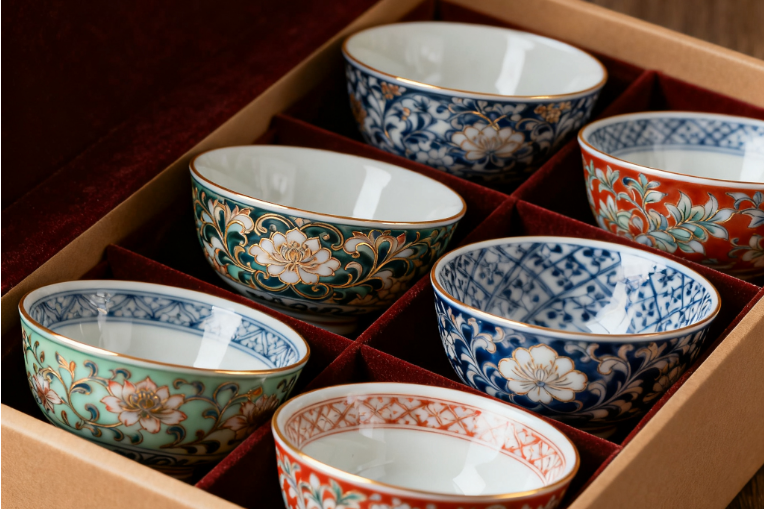
The Challenges of Shipping Fragile Ceramics from China to the USA
Shipping ceramics from China to the USA involves a unique set of challenges, mostly due to the fragile nature of ceramic products. As a logistics expert, I understand that every stage of the shipping process—from handling and packaging to transportation and customs clearance—poses specific risks for ceramics.
1. Risk of Breakage and Damage
Ceramics are highly susceptible to impact, vibration, and stacking pressure. During international transit, containers may be subject to rough handling at ports, loading and unloading operations, and movement over long distances. Even minor mishandling can lead to chips, cracks, or total breakage, resulting in significant financial losses.
2. Inconsistent Handling Standards
Different carriers, ports, and terminal operators may have varying protocols for handling fragile cargo. For example, port workers at Shanghai or Shenzhen may not follow the same procedures as those at Los Angeles or New York. This inconsistency increases the risk of improper stacking or excessive weight being placed on ceramic shipments.
3. Packaging Requirements
Proper packaging is paramount. Ceramics require multi-layer protective materials, such as foam, bubble wrap, and solid outer cartons. However, substandard packaging—often used to save costs—can make goods vulnerable during transit. Many small and medium exporters underestimate these requirements, exposing their shipments to avoidable risks.
4. Environmental Factors
Ceramic products are sensitive not just to impact, but also to environmental conditions. High humidity and sudden temperature changes inside containers (especially during ocean transport) may compromise packaging materials, causing them to lose their protective qualities and increasing the risk of breakage.
5. Complex Customs and Regulations
Shipping ceramics internationally also demands strict compliance with both Chinese export regulations and US import standards. Improper documentation or failure to declare fragile goods can result in clearance delays, inspections, or penalties—all of which prolong transit times and increase costs.
6. Insurance Gaps
Many shippers, especially new exporters, overlook the need for comprehensive cargo insurance. In the event of damage or loss, lack of adequate insurance can lead to unrecoverable losses.
As a professional logistics provider, Dantful.US International Logistics understands these challenges intimately and offers tailored solutions to minimize risks at every step of the supply chain.
Choosing the Right Shipping Method for Fragile Goods
Selecting the optimal shipping method is crucial when transporting fragile ceramics from China to the USA. The method you choose will affect delivery time, cost, and—most importantly—the safety of your cargo.
Related reading: If you’re considering alternative routes or need more details about the process, see our guide on Shipping from China to USA.
1. Sea Freight
Full Container Load (FCL): Ideal for large ceramic shipments. The entire container is dedicated to your goods, minimizing external contact and handling.
Less than Container Load (LCL): Suitable for smaller volumes. However, LCL exposes shipments to more handling due to cargo consolidation and deconsolidation, increasing the risk for ceramics.
Transit Time: 18–35 days (depending on origin and destination ports)
Cost: Most economical for heavy or bulk ceramics
| Route | FCL Transit Time | LCL Transit Time | Typical Cost (USD/CBM, 2025) |
|---|---|---|---|
| Shanghai to Los Angeles | 16-20 days | 22-28 days | $120–$180 |
| Shenzhen to New York | 28-35 days | 35-42 days | $130–$190 |
2. Air Freight
Best for: High-value, urgent, or limited-volume ceramic shipments
Transit Time: 3–7 days
Cost: Significantly higher than sea freight but minimizes in-transit time and risk of prolonged vibration or stacking
Handling: Enhanced due to special fragile-cargo protocols by many airlines
| Route | Air Transit Time | Typical Cost (USD/KG, 2025) |
|---|---|---|
| Guangzhou to Los Angeles | 3–5 days | $5–$9 |
| Shanghai to Chicago | 4–7 days | $5.5–$10 |
3. Express Courier Services
Providers: DHL, FedEx, UPS
Best for: Samples, small orders, or urgent replenishments
Transit Time: 2–5 days
Cost: Highest per unit, but with premium handling and tracking
4. Door-to-Door Services
Integrated door-to-door solutions combine local trucking, international shipping, customs clearance, and last-mile delivery.
Particularly beneficial for fragile ceramics, as professional freight forwarders like Dantful.US International Logistics ensure consistent handling throughout the journey.
If you want a streamlined process from pickup to delivery, explore Door to Door Shipping options for fragile goods.
5. Rail and Road Freight
Not commonly used for ceramics from China to USA due to geography, but available as part of multimodal transport solutions.
May be relevant for shipments moving domestically within the USA after arrival.
Comparison Table
| Shipping Method | Safety for Ceramics | Transit Time | Cost Efficiency | Volume Suitability | Comments |
|---|---|---|---|---|---|
| FCL Sea Freight | High | 16–35 days | High | Best for large shipments | Minimal handling, cost-effective |
| LCL Sea Freight | Medium | 22–42 days | Medium | Small to medium volumes | Higher risk due to more handling |
| Air Freight | High | 3–7 days | Low | Small, high-value goods | Fast, premium handling |
| Express Courier | Very High | 2–5 days | Very Low | Very small shipments | Highest cost, best for samples |
| Door-to-Door | Very High | Varies | Medium | All volumes | End-to-end control, best quality |
By carefully assessing your shipment size, urgency, budget, and fragility requirements, you can select the optimal shipping method and significantly reduce the risks associated with transporting ceramics from China to the USA.
Advanced Packaging Techniques for Ceramic Protection
Shipping ceramics from China to the USA demands an expert approach to packaging, as ceramics are among the most fragile cargo types. At Dantful.US International Logistics, I’ve seen first-hand how the right packaging solutions can dramatically reduce breakage and ensure your goods arrive safely.
Key Packaging Strategies
Double-Boxing: Each ceramic piece should be individually wrapped in high-quality bubble wrap, then placed in a snug inner box. This inner box is then set within a larger outer carton filled with cushioning materials such as foam peanuts or air pillows. This two-layer system absorbs shocks during transit.
Foam-in-Place: For high-value or custom-shaped ceramics, using foam-in-place packaging creates a custom-molded cushion around each item, offering superior protection against impact.
Dividers and Inserts: When shipping sets of ceramics (e.g., plates, cups), corrugated dividers prevent pieces from colliding, minimizing chipping or cracking.
Shock and Tilt Indicators: Attach visible shock and tilt indicators to cartons. These devices provide proof if mishandling occurs, supporting insurance claims and promoting careful handling by logistics providers.
Moisture Barriers: Use moisture-resistant wrap or desiccant packs to protect ceramics from humidity, which can weaken packaging and compromise the integrity of certain ceramic finishes.
Containerization: FCL vs. LCL
Choosing the right container type is crucial as well. For large shipments, a Full Container Load (FCL) offers exclusive use and reduces the risk of cargo shifting. For smaller loads, Less than Container Load (LCL) is more cost-effective, but it’s critical to ensure strong internal packaging since cargo will be consolidated with other shipments.
| Container Type | Approx. Volume (CBM) | Best For | Risk Level |
|---|---|---|---|
| 20FT | 28 | Small to medium loads | Moderate |
| 40FT | 56 | Medium to large loads | Lower (if FCL) |
| 40HQ | 68 | Large, lightweight | Lowest (if FCL) |
| 45HQ | 78 | Extra-large shipments | Lowest (if FCL) |
See also: For more about container utilization and shipping prices, our article on 20 ft Container Shipping Cost from China to USA provides practical insights.
Professional Packing Services
Many shippers underestimate the value of professional packing. Dantful.US International Logistics offers specialized packaging solutions, leveraging years of experience in handling fragile cargo. Our team can arrange for on-site packing at your China supplier’s warehouse, ensuring compliance with both US and international shipping standards.
Labelling and Marking
All packages containing ceramics should be clearly marked as “Fragile” and include International Handling Symbols. Proper labelling helps handlers across all shipping stages—whether Sea Freight, Air Freight, or Door to Door delivery—recognize and treat your goods with extra care.
Essential Documentation and Customs Clearance for Ceramic Imports
Successful clearance of ceramic shipments into the USA starts with thorough documentation and a comprehensive understanding of customs requirements. Any oversight can lead to costly delays, fines, or even seizure of goods.
Key Documents Required
| Document Name | Purpose | Who Provides |
|---|---|---|
| Commercial Invoice | Details transaction value, product description, and harmonized code | Supplier/Exporter |
| Packing List | Itemizes goods and packaging details | Supplier/Exporter |
| Bill of Lading (B/L) | Serves as contract of carriage and receipt of goods | Freight Forwarder |
| Arrival Notice | Notifies consignee of cargo arrival | Carrier/Freight Forwarder |
| Import Security Filing (ISF/10+2) | Mandatory pre-arrival security info for US Customs | Importer/Freight Forwarder |
| Customs Bond | Guarantees payment of duties and compliance | Importer/Customs Broker |
| Certificate of Origin | Verifies origin, may affect tariffs | Supplier/Chamber of Comm. |
| Import License/Permits (If Required) | Regulates certain ceramics (e.g., antiques, artworks) | Importer |
HS Codes and Duty Rates
Ceramic products must be classified under accurate Harmonized System (HS) codes. For example, tableware, tiles, sanitary ware, and decorative ceramics each have different codes and duty rates. Incorrect classification is a frequent source of customs disputes.
Example: Tableware of Porcelain (HS Code: 6911.10) may face a duty rate ranging from 6% to 8%, while ceramic tiles (HS Code: 6908.90) could have a different rate.
US Customs Compliance
The US Customs and Border Protection (CBP) enforces strict compliance. Key points for importers:
Marking Requirements: “Made in China” must be permanently and legibly marked on each item.
Lead Content Restrictions: Particularly for tableware or items intended for food use, compliance with FDA regulations is mandatory.
Anti-Dumping/Countervailing Duties: Certain ceramic tiles and products from China are subject to anti-dumping duties, significantly increasing landed costs. Always verify with your freight forwarder or customs broker.
Customs Clearance Process
Document Submission: All paperwork must be submitted prior to the shipment’s arrival.
ISF Filing: Submit the Importer Security Filing (10+2) at least 24 hours before vessel departure from China.
Entry Filing: Upon arrival, submit a customs entry along with the above documents.
Inspection: CBP may physically inspect shipments—especially common for ceramics.
Duty and Tax Payment: Pay applicable duties, taxes, and any anti-dumping/countervailing duties.
Release: After successful inspection and payment, goods are released for delivery.
How Dantful.US International Logistics Can Help
Navigating documents and customs for fragile ceramics can be overwhelming. As a highly professional and experienced freight forwarder, Dantful.US International Logistics offers:
Document preparation and pre-checks to avoid errors
Accurate HS code classification and tariff advice
24/7 customs clearance support and issue resolution
Seamless coordination of Sea Freight, Air Freight, Warehouse, and Door to Door delivery
By partnering with Dantful.US, you reduce compliance risks, avoid costly delays, and ensure your ceramics reach their USA destination efficiently and safely.
Tip: Always maintain complete and accurate records for every shipment. Customs compliance is not just about the present shipment but can affect your company’s long-term reputation and eligibility for streamlined clearance programs.
Navigating Regulations and Compliance for Ceramics
When shipping ceramics from China to the USA, understanding and complying with international trade regulations is critical for a seamless logistics experience. Ceramics—due to their fragile nature and varying usage (tableware, tiles, decorative items, industrial ceramics, etc.)—often fall under specific import classifications that require diligent attention.
Further reference: Regulations often differ between countries. For comparison, you may want to review our resource on Shipping from China to Canada.
Key Regulatory Considerations
HS Codes & Classification
Ceramics imported into the USA must be accurately classified under the Harmonized System (HS) codes. For example, ceramic tableware typically falls under HS code 6911 or 6912.
Accurate coding ensures proper tariff calculation and avoids customs delays.
Import Duties & Taxes
The United States Customs and Border Protection (CBP) imposes duties based on the HS code classification.
Some ceramics, such as certain tiles or porcelain pieces, may attract anti-dumping duties or special tariffs if determined to affect domestic manufacturers. Always check the latest tariffs on the official CBP website or consult your freight forwarder.
FDA & CPSC Compliance
Food-contact ceramics (plates, cups, etc.) must comply with FDA regulations regarding lead and cadmium content.
Decorative and children’s ceramics might also be subject to Consumer Product Safety Commission (CPSC) standards.
Lacey Act Requirements
If ceramics include wooden packaging or components, you must comply with the Lacey Act, requiring clear documentation about the source, type, and treatment of the wood.
Import Documentation
Essential documents include the Commercial Invoice, Packing List, Bill of Lading/Air Waybill, and certificates of compliance (if required).
For some shipments, a Certificate of Origin or fumigation certificate (for wooden packaging) is necessary.
ISPM 15 for Wooden Packaging
Any wooden crates or pallets used must comply with ISPM 15 international standards to prevent pest transmission.
Compliance Best Practices
Work with an experienced freight forwarder like Dantful.US International Logistics. Our team ensures your ceramics meet all necessary compliance requirements, minimizing the risk of customs holds or fines.
Proactively communicate with your supplier in China to guarantee that packaging, labeling, and documentation align with USA import regulations.
Utilize pre-clearance services and real-time compliance checks to further streamline your supply chain.
| Compliance Aspect | Requirement | Responsible Authority | Tips for Success |
|---|---|---|---|
| HS Code Classification | Correct HS code on documents | CBP | Verify codes before shipping |
| FDA / CPSC Compliance | Food safety, lead limits, etc. | FDA, CPSC | Obtain lab test reports from supplier |
| ISPM 15 Wooden Packaging | Heat-treated, stamped wood | USDA-APHIS, CBP | Use certified packaging only |
| Anti-dumping & Special Tariffs | Check product category risks | CBP, USITC | Consult tariff lookup tools |
| Lacey Act | Wooden element disclosures | USDA-APHIS | Source legal, well-documented wood |
Staying up-to-date with the latest regulations and working with a knowledgeable logistics partner will ensure your ceramic shipments from China to the USA arrive safely, on time, and without compliance issues.
Comprehensive Insurance Options for Fragile Ceramic Shipments
Given the high risk of breakage and the often significant value of ceramic goods, securing robust insurance coverage is essential when shipping ceramics internationally. Even with the most advanced packaging and careful handling, accidents can occur during transit—from rough container handling at Chinese and US ports to turbulence in air freight.
Main Types of Cargo Insurance
All-Risk Insurance
Provides the broadest coverage, including loss or damage from most external causes (with certain exclusions).
Highly recommended for fragile ceramics due to the comprehensive protection it offers.
Named Perils Insurance
Covers only specific risks explicitly listed in the policy (e.g., fire, theft, vessel sinking).
Generally less expensive but offers less protection for ceramics.
Total Loss Insurance
Only covers situations where the entire shipment is lost.
Not recommended for ceramics, as partial damage (such as a few broken pieces) is much more likely.
Key Insurance Considerations for Ceramics
Declare Accurate Value: Always inscribe the correct value of your goods on the insurance documents. Undervaluation may result in insufficient compensation.
Photographic Records: Take photos of the packaging and items before shipment to support any potential claims.
Understand Exclusions: Typical exclusions may include inadequate packaging or inherent vice (breakage due to the nature of the goods).
Insurance for Multimodal Shipments: Ensure the policy covers all legs of the journey, including warehousing and inland transportation.
| Insurance Type | Typical Coverage | Suitable For Ceramics | Cost (as % of cargo value) | Notes |
|---|---|---|---|---|
| All-Risk | Most external causes | Yes | 0.5% – 1.5% | Best protection |
| Named Perils | Listed risks only | Partial | 0.3% – 0.7% | Limited coverage |
| Total Loss Only | Complete loss | No | 0.1% – 0.3% | Not recommended for fragile goods |
Why Insure with Dantful.US International Logistics?
As a highly professional, cost-effective, and high-quality, one-stop international logistics service provider, Dantful.US International Logistics offers tailored insurance solutions for ceramic shipments. We partner with leading global insurers to guarantee fast claims processing and comprehensive coverage that meets industry best practices.
Our services include:
Insurance for sea freight, air freight, and door-to-door shipments
Flexible coverage amounts, from single shipments to annual policies
Expert risk assessment and claims assistance
Practical Tips
Always review the insurance terms and ask your freight forwarder about the best coverage for your shipment type.
For high-value or unique ceramic items, consider specialized insurance riders.
Protecting your shipment with the right insurance is an investment in peace of mind, safeguarding your business from unexpected losses during transit from China to the USA. For a customized quote or consultation, contact our team at Dantful.US International Logistics—your trusted partner for secure international ceramic shipping.
Cost-Effective Strategies for Secure Ceramic Shipping
Shipping ceramics from China to the USA presents unique challenges, especially when balancing cost-efficiency with the secure handling required for these fragile items. Over the years, we’ve implemented and refined several strategies to help our clients protect their cargo and minimize expenses.
1. Compare Shipping Modes for Value and Safety
Choosing the right transport mode is critical. For bulky or high-volume ceramic shipments, Sea Freight—particularly Full Container Load (FCL)—is typically the most cost-effective. Less than Container Load (LCL) can work for smaller consignments, but consolidation increases the risk of breakage unless professionally managed. For urgent or high-value ceramics, Air Freight offers faster delivery and potentially lower risk of in-transit damage, albeit at a higher cost. The below table outlines typical transit times and indicative costs (as of Q4 2025):
| Shipping Method | Typical Transit Time | Cost Estimate (USD/CBM) | Key Benefits |
|---|---|---|---|
| Sea Freight (FCL) | 18-28 days | $80 – $120 | Best for large/bulk, cost-efficient |
| Sea Freight (LCL) | 21-32 days | $120 – $160 | Flexible for small loads |
| Air Freight | 3-7 days | $500 – $800 | Fastest, best for urgent/high-value |
| Rail Freight | 14-20 days | $250 – $350 | Balanced speed/cost (limited routes) |
Note: Rates are indicative averages from major Chinese ports (e.g., Shanghai, Shenzhen, Ningbo) to key US gateways (e.g., Los Angeles, New York). Actual costs vary by season, volume, and service provider.
2. Optimize Container Utilization
Maximize use of container space by strategically packing ceramics. For example, a 20FT container offers ~28CBM, a 40FT container 56CBM, and a 40HQ up to 68CBM. Work closely with your freight forwarder and packers to minimize voids and arrange for palletization that reduces movement during transit—this both lowers per-unit shipping costs and enhances safety.
3. Consolidated Shipments
For smaller volumes, consolidate your ceramics with similar goods through Consolidated Freight services. This distribution of fixed shipping costs among multiple shippers can substantially reduce individual expenses, provided the consolidator uses professional handling to avoid cross-contamination and damage.
4. Advanced Packaging Saves Money
Investing in optimal packaging—such as double-walled cartons, foam inserts, and shock-absorbing materials—may entail a slightly higher upfront cost, but dramatically decreases losses due to breakage. The reduced claim rates and minimized product replacement costs more than offset any increase in packaging budget.
5. Leverage Warehousing and Distribution Services
Using Warehouse services at origin or destination allows for bulk shipment of ceramics to a central point, followed by local distribution. This model reduces international shipping expenses and supports flexible last-mile delivery, especially useful for cross-border e-commerce sellers and importers with diverse customer bases across the USA.
6. Insurance: Value for Cost
Always secure comprehensive Insurance for your fragile ceramic shipments. While this adds a marginal cost (typically 0.2%–0.5% of the cargo value), it safeguards your investment against unforeseen events—delivering peace of mind and potential long-term savings.
7. Regularly Review Seasonal Trends
Peak shipping seasons (such as pre-Christmas or Chinese New Year) can drive up rates and extend transit times. Plan shipments during off-peak months when possible to capture lower rates and more predictable schedules.
Selecting a Right Freight Forwarder Partner for Fragile Cargo
Entrusting your ceramic cargo to the right freight forwarder is perhaps the most decisive factor in ensuring both safety and cost efficiency. Here’s what to look for—and why Dantful.US International Logistics stands out as a strategic partner.
You might also be interested in: For a comprehensive overview of freight forwarder options, check out our specialized page for freight forwarder China to US.
1. Proven Track Record with Fragile Goods
Your freight forwarder should demonstrate documented expertise in handling fragile ceramics. At Dantful.US International Logistics, we have extensive experience managing specialized shipments, from handcrafted pottery to high-value porcelain, ensuring every piece reaches its destination intact.
2. Comprehensive Service Portfolio
A qualified forwarder should offer a full suite of logistics solutions, including:
Sea Freight, Air Freight, Rail Freight, and Road Freight
Amazon FBA and Door to Door services for e-commerce and SMEs
Warehouse, Consolidated Freight, and Breakbulk Freight solutions
Customs Clearance and advanced cargo Insurance
Handling of Oversized/Out-of-Gauge (OOG) Freight
We at Dantful.US provide all these services, ensuring a seamless shipping experience from China to the USA.
3. Transparent Pricing and Real-Time Tracking
Select a partner offering clear, up-to-date quotations with no hidden fees. Real-time tracking capability is essential for high-value and delicate shipments, allowing you to monitor the status of your ceramics at every stage.
4. Personalized Logistics Consulting
A reliable freight forwarder doesn’t take a one-size-fits-all approach. Our team provides tailored consulting—advising on optimal shipping modes, cost-saving strategies, and packaging best practices specific to your ceramics cargo.
5. Strong Global Network
Working with a forwarder who has established relationships with ocean carriers, airlines, customs brokers, and local agents in both China and the USA ensures quick resolution of issues and competitive rates.
By choosing Dantful.US International Logistics—a highly professional, cost-effective, and high-quality one-stop service provider—you’re assured of a partner that understands the unique demands of shipping ceramics from China to USA. Our dedicated team supports you end-to-end, from safe packing and optimized routing to smooth customs clearance and timely delivery.
Contact us today to discuss your next ceramic shipment and experience the Dantful.US difference.
Leave a reply